by Lauren Lacroix, Robert Suttie | Sep 7, 2017 | Featured, Grand Round Summaries, Most Viewed, Resuscitation
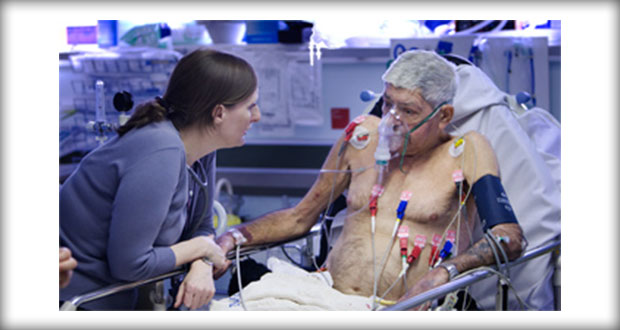
Physiologically difficult airway: airway management in the critically ill patient, whose underlying physiology puts them at higher risk of cardiovascular collapse with intubation and conversion to positive pressure ventilation. This is important for in the Emergency...
by emottawa | Aug 10, 2017 | Featured, Grand Round Summaries, Respirology
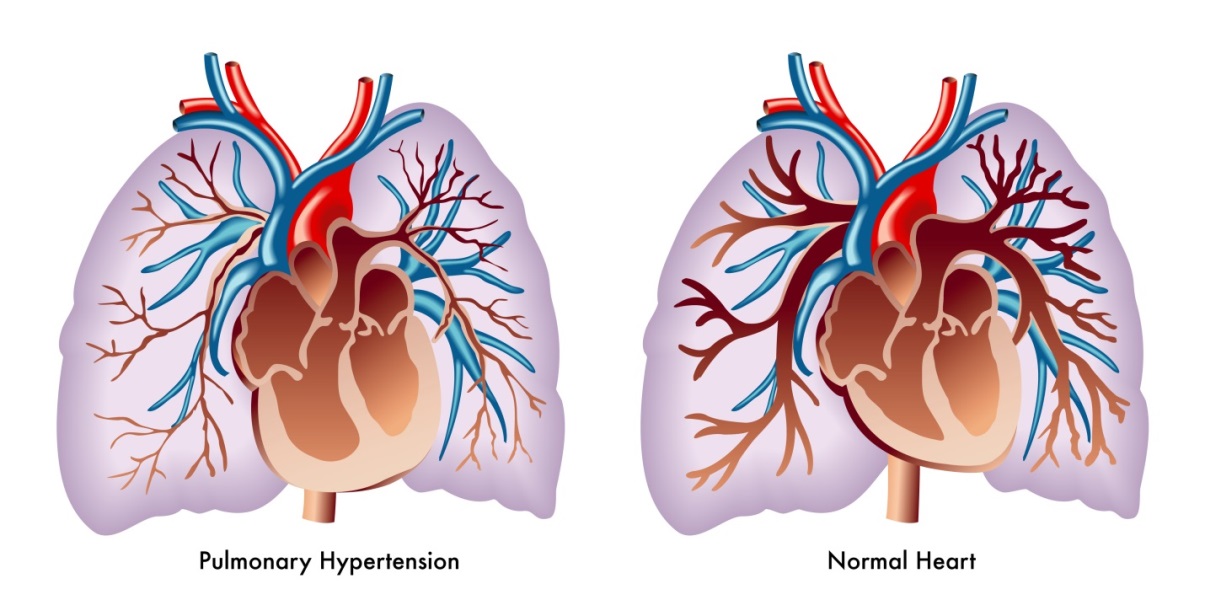
Describe the pathophysiology of Pulmonary Hypertension (PH), and how it can be dangerous Who to suspect and workup for PH in the ED Describe the POCUS findings in PH Describe the management of these patients and how to avoid causing harm Physiology Definition...

by emottawa | Jan 12, 2017 | Grand Round Summaries, Physician Wellness
For many of us in Emergency Medicine, PTSD is something we don’t really think about. We might pause before using ketamine for sedation in a war veteran, or seek psychological support for victims of sexual assault, but it is not a topic that we usually discuss or...

by emottawa | Dec 2, 2016 | Grand Round Summaries, Trauma
There were some notable papers published in trauma over the past 12 months or so. Here’s a look at three of them, which might help answer a few key questions in trauma management: When should you order a CT chest? What blood products should we be giving to trauma...

by emottawa | Nov 11, 2016 | Grand Round Summaries, Infectious Disease
Relative to its incidence and prevalence, Lyme disease has gathered a tremendous amount of attention, particularly in the last decade or so. This can be attributed, in part, to the perceived difficulty in properly diagnosing and treating the disease. However,...