
by Michael Wong, Brandon Ritcey, Shahbaz Syed | Sep 21, 2017 | Featured, Ultrasound
A female in her 70s from a nursing home with a past medical history of dementia, obesity, COPD, and CHF presents to the emergency department with a decreased level of consciousness and shortness of breath. Seven days ago she was assessed in the ER with a diagnosis of...
by Lauren Lacroix, Robert Suttie | Sep 7, 2017 | Featured, Grand Round Summaries, Most Viewed, Resuscitation
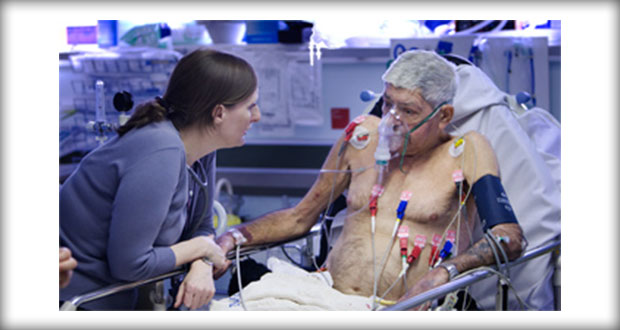
Physiologically difficult airway: airway management in the critically ill patient, whose underlying physiology puts them at higher risk of cardiovascular collapse with intubation and conversion to positive pressure ventilation. This is important for in the Emergency...
by emottawa | Aug 10, 2017 | Featured, Grand Round Summaries, Respirology
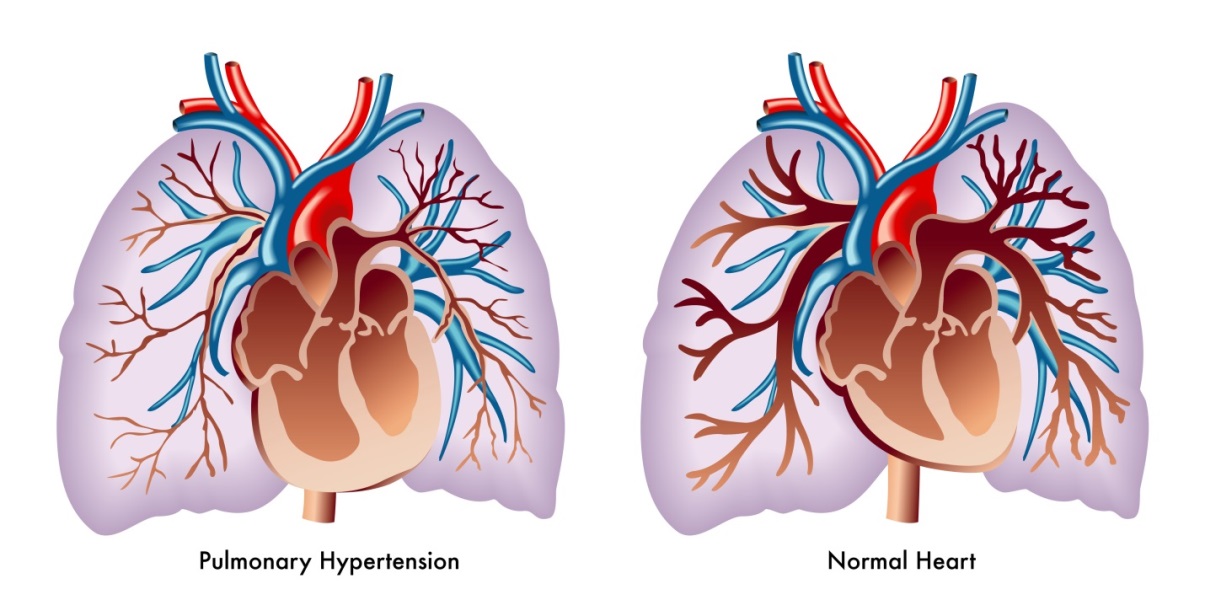
Describe the pathophysiology of Pulmonary Hypertension (PH), and how it can be dangerous Who to suspect and workup for PH in the ED Describe the POCUS findings in PH Describe the management of these patients and how to avoid causing harm Physiology Definition...

by emottawa | Oct 25, 2016 | Grand Round Summaries, Procedural care
The ability to administer peripheral nerve blocks in the ED has the potential to provide fast and direct analgesia with less systemic side effects compared to parenteral medications. When administered by an experienced provider, studies have shown that peripheral...

by emottawa | May 26, 2016 | Grand Round Summaries, OBGYN
The pregnant or postpartum patient presents a unique set of challenges to the emergency physician. Although life-threatening emergencies are relatively rare, they require specialized protocols and different considerations than we’re used to (i.e. medications...