by Garrick Mok, Pascale King | May 7, 2020 | Critical Care, Featured, Grand Round Summaries, Infectious Disease, Resuscitation
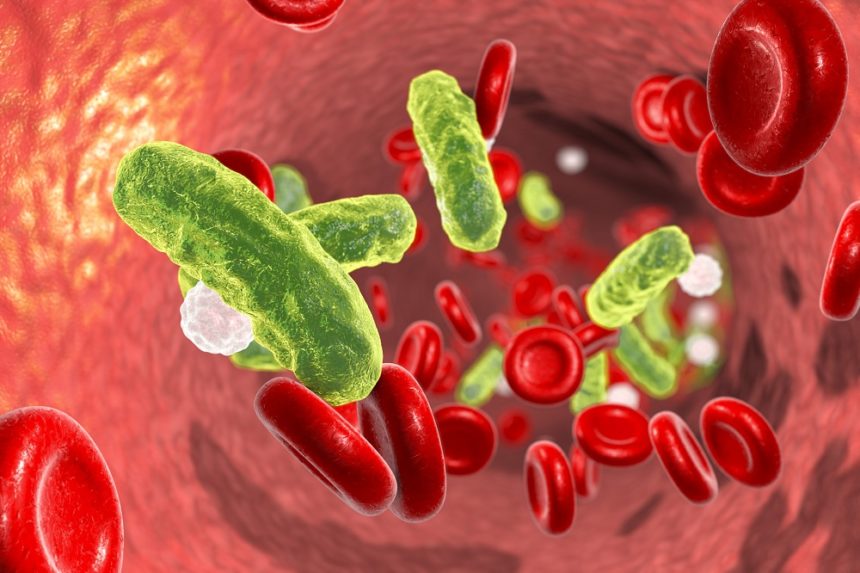
The Surviving Sepsis Guidelines define sepsis as a “life-threatening organ dysfunction caused by a dysregulated host response to an infection”. Septic shock is further defined as sepsis with hypotension (MAP ≤65) and/or lactate ≥2.0 despite adequate fluid...

by Nick Schouela, Pascale King | Apr 23, 2020 | Featured
What is nurse-led ACLS (Advanced Cardiac Life Support)? A resuscitation model where a nurse takes on a leadership role coordinating and running the ACLS algorithm as part of the overall resuscitation effort. Nursing leadership has always played an integral role in...

by Bo Zheng, Alex Coutin | Jan 16, 2020 | Airway, cardiac arrest, Critical Care, Featured, Grand Round Summaries, Resuscitation
What is pulseless electric activity (PEA)? Pulseless electrical activity is diagnosed based on a patient having an organized, non-shockable rhythm and no palpable pulse. However, PEA is not always a cardiac arrest state. In many cases, patients with PEA have...

by Daniel Beamish, Richard Hoang, Shankar Sethuraman | Jul 25, 2019 | Grand Round Summaries, Pre-Hospital, Resuscitation, Trauma
There was a significant amount of pre-hospital research published in 2018; many trials were that will no doubt inform future guidelines and change practice. This post seeks to look at some of the historical features of prehospital research and give us a road map for...

by Harrison Carmichael, Richard Hoang, Shankar Sethuraman | Jun 6, 2019 | Grand Round Summaries, Mass Casualty / Disaster, Quality Improvement, Resuscitation, Trauma
A Code Orange is a hospital-scale response to any event or group of events that results in a patient influx that outstrips available hospital resources. It realigns the way the hospital functions to support the emergency department and rapidly increases the number of...