
by Erica Lee, Richard Hoang, Shankar Sethuraman | Jun 27, 2019 | Grand Round Summaries, Neurology, Trauma
Head injuries are commonly seen in the emergency department and a large group of these patients will subsequently be diagnosed with a concussion. In this three-part series, we will summarize the most up to date definition of a concussion (Part 1), review how to make...
by Richard Hoang | Jun 20, 2019 | Critical Care, Grand Round Summaries, Resuscitation, Trauma
Even without an interest in military or high treat medicine, the science from military conflicts can have a significant influence on the medicine you practice. In fact, a lot can be learned in times of stress and conflict, and every Emergency Physician should have at...

by Harrison Carmichael, Richard Hoang, Shankar Sethuraman | Jun 6, 2019 | Grand Round Summaries, Mass Casualty / Disaster, Quality Improvement, Resuscitation, Trauma
A Code Orange is a hospital-scale response to any event or group of events that results in a patient influx that outstrips available hospital resources. It realigns the way the hospital functions to support the emergency department and rapidly increases the number of...
by Richard Hoang | Apr 4, 2019 | Critical Care, Pre-Hospital, Trauma
The Tactical Combat Casualty Care (TCCC) Guidelines are the standard of care for the modern battlefield. TCCC offers operational guidelines for a range of combat personnel – from recommendations for all combatants to combat paramedics and SOF medics. Though these...
by Richard Hoang | Mar 7, 2019 | Critical Care, Featured, Pre-Hospital, Resuscitation, Trauma
Hemorrhage is the leading cause of preventable death on the battlefield. Damage Control Resuscitation (DCR) works synergistically with Damage Control Surgery (DCS) and prioritizes non-surgical interventions that reduce morbidity and mortality due to trauma and...
by Hans Rosenberg | Feb 25, 2019 | Full Article, Journal Club, Pre-Hospital, Trauma
Journal Club Summary Methodology Score: 3.5/5 Usefulness Score: 2.5 /5 Sperry JL, et al. N Engl J Med. 2018 Jul 26;379(4):315-326. Question and Methods: Determine the efficacy of prehospital plasma compared with standard-care resuscitation in injured patients at risk...
by Hans Rosenberg | Oct 22, 2018 | Journal Club, Resuscitation, Trauma
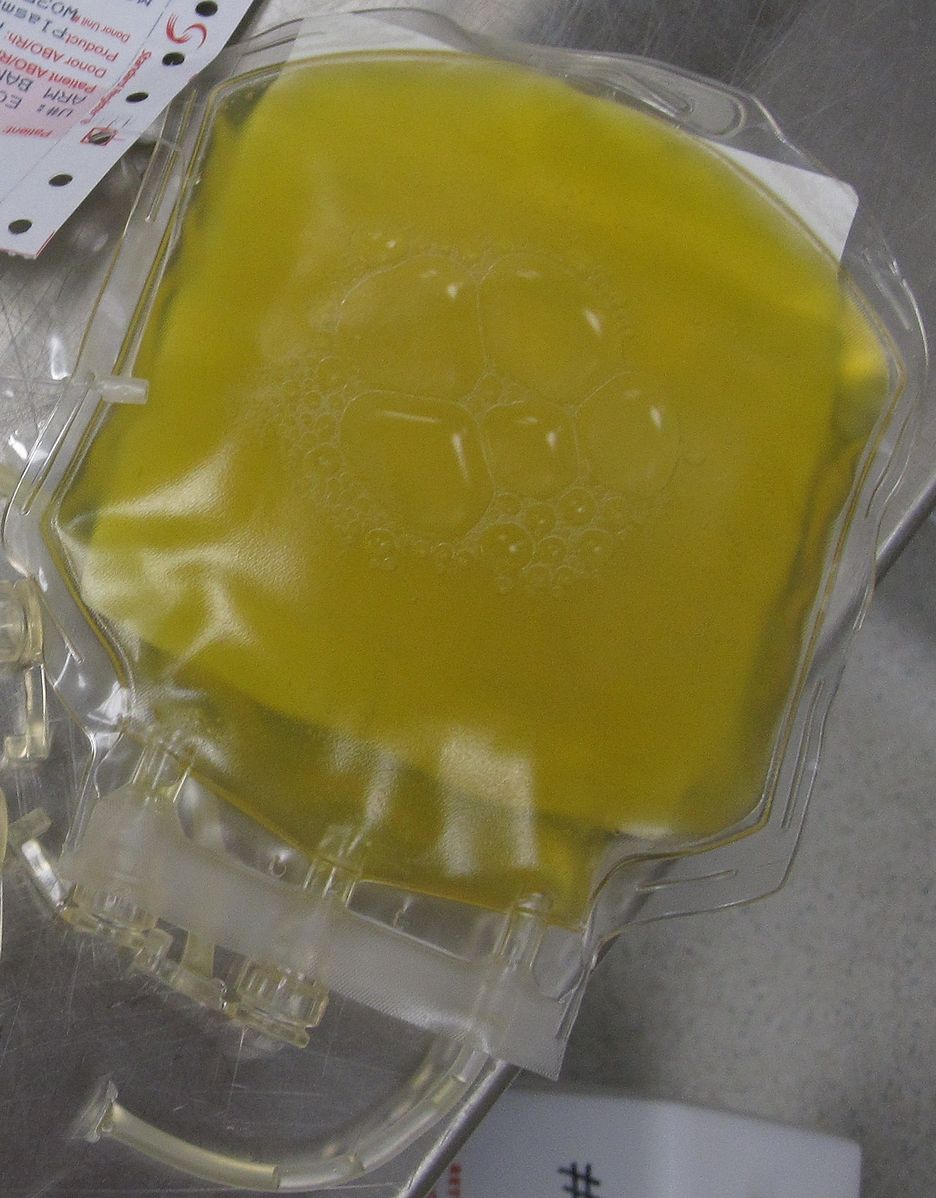
Journal Club Summary Methodology: 3.5/5 Usefulness: 3.5/5 Moore HB, et al. Lancet. 2018 Jul 28;392(10144):283-291. Editorial: No gains with plasma-first resuscitation in urban settings? Question and Methods: Use of prehospital plasma in patients with...

by Robert Suttie, Richard Hoang | Sep 6, 2018 | Airway, Featured, Grand Round Summaries, Resuscitation, Trauma
Emergency medicine is a diverse specialty. We’ve all had the shift where you go from suturing an elderly woman’s scalp, to managing an anxious patient with chest pain, to running a cardiac arrest as EMS patches in with a trauma. We wear many hats throughout a single...

by Stephanie Barnes, Richard Hoang | Aug 16, 2018 | Featured, Grand Round Summaries, Resuscitation, Trauma
The vast majority of burns that present to the ED can be managed as outpatients1,2, usually by the patient’s family doctor, but many emergency physicians do not feel comfortable with burn management. Burn management often follows the preferences and experiences of...
by Ariel Hendin | Jul 12, 2018 | Trauma
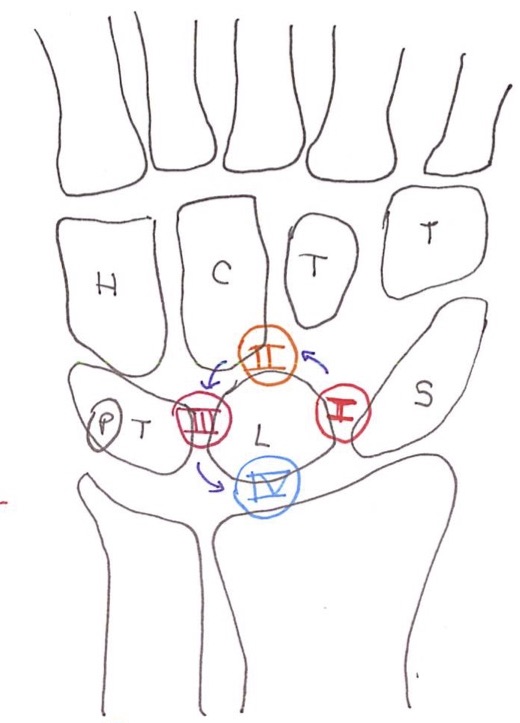
Do you often get the components of scapholunate instability mixed up? Do you find this a tough one to teach to residents? Dr. Hendin has you covered – here she provides an great graphic to fully explain the Mayfield classification (scapholunate...