by Hans Rosenberg | Jul 6, 2020 | cardiac arrest, Critical Care, Journal Club, Radiology, Resuscitation, Ultrasound
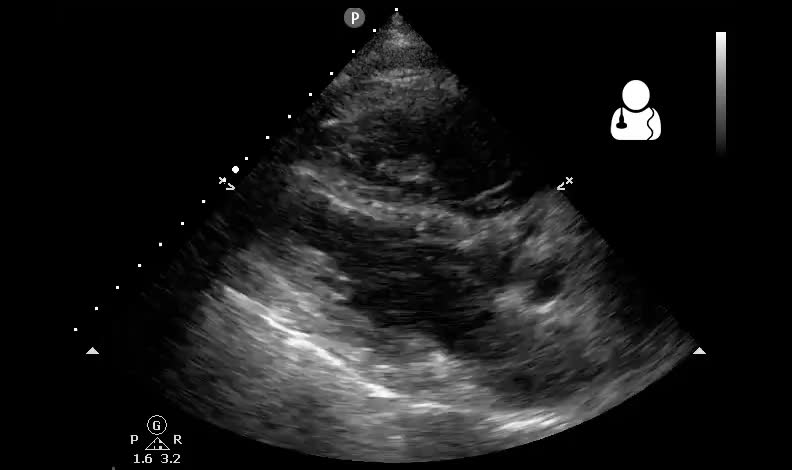
Methodology: 2.5/5 Usefulness: 3/5 Daley JI, et al. Acad Emerg Med 26 (11), 1211-1220 Nov 2019 Questions and methods: In patients with abnormal vital signs, what is the sensitivity of FOCUS for the diagnosis of PE? Prospective, multicenter, observational...

by Lindsay Cheskes, Kate O'Connell | May 21, 2020 | cardiac arrest, Cardiology, Critical Care, Featured, Grand Round Summaries, Resuscitation
This post takes a deep dive into the pathophysiology, presentation and management of electrical storm in the emergency department. The management focuses on patients with implantable cardioverter-defibrillators receiving multiple shocks, patients with polymorphic...
by Garrick Mok, Pascale King | May 7, 2020 | Critical Care, Featured, Grand Round Summaries, Infectious Disease, Resuscitation
The Surviving Sepsis Guidelines define sepsis as a “life-threatening organ dysfunction caused by a dysregulated host response to an infection”. Septic shock is further defined as sepsis with hypotension (MAP ≤65) and/or lactate ≥2.0 despite adequate fluid...

by Jessica McCallum, Kate O'Connell | Apr 9, 2020 | Critical Care, Featured, Pre-Hospital
In this post, we aim to highlight the perspectives of family, physicians, the emergency department and pre-hospital medicine in regards to organ donation. Types of Organ Tissue Donation There are 2 main types of deceased organ donation including neurologic...

by Hans Rosenberg | Mar 16, 2020 | Critical Care, Infectious Disease, Journal Club
Methodology: 4/5 Usefulness: 3/5 Fujii T, et al. JAMA. 2020 Jan 17. doi: 10.1001/jama.2019.22176. [Epub ahead of print] Editorial: Lack of Benefit of High-Dose Vitamin C, Thiamine, and Hydrocortisone Combination for Patients With Sepsis. Question and Methods:...

by Shannon Fernando, Kate O'Connell | Jan 30, 2020 | Critical Care, Grand Round Summaries, Resuscitation
In September 2018, Dr. Bram Rochwerg and I wrote a blog post on the treatment of patients with sepsis and septic shock. Much of this was based on the 2016 Surviving Sepsis Campaign (SSc) Clinical Practice Guidelines [1]. However, in a little over a year, significant...

by Bo Zheng, Alex Coutin | Jan 16, 2020 | Airway, cardiac arrest, Critical Care, Featured, Grand Round Summaries, Resuscitation
What is pulseless electric activity (PEA)? Pulseless electrical activity is diagnosed based on a patient having an organized, non-shockable rhythm and no palpable pulse. However, PEA is not always a cardiac arrest state. In many cases, patients with PEA have...
by Peter Reardon, Shahbaz Syed | Sep 11, 2019 | Critical Care, Featured, Infographics
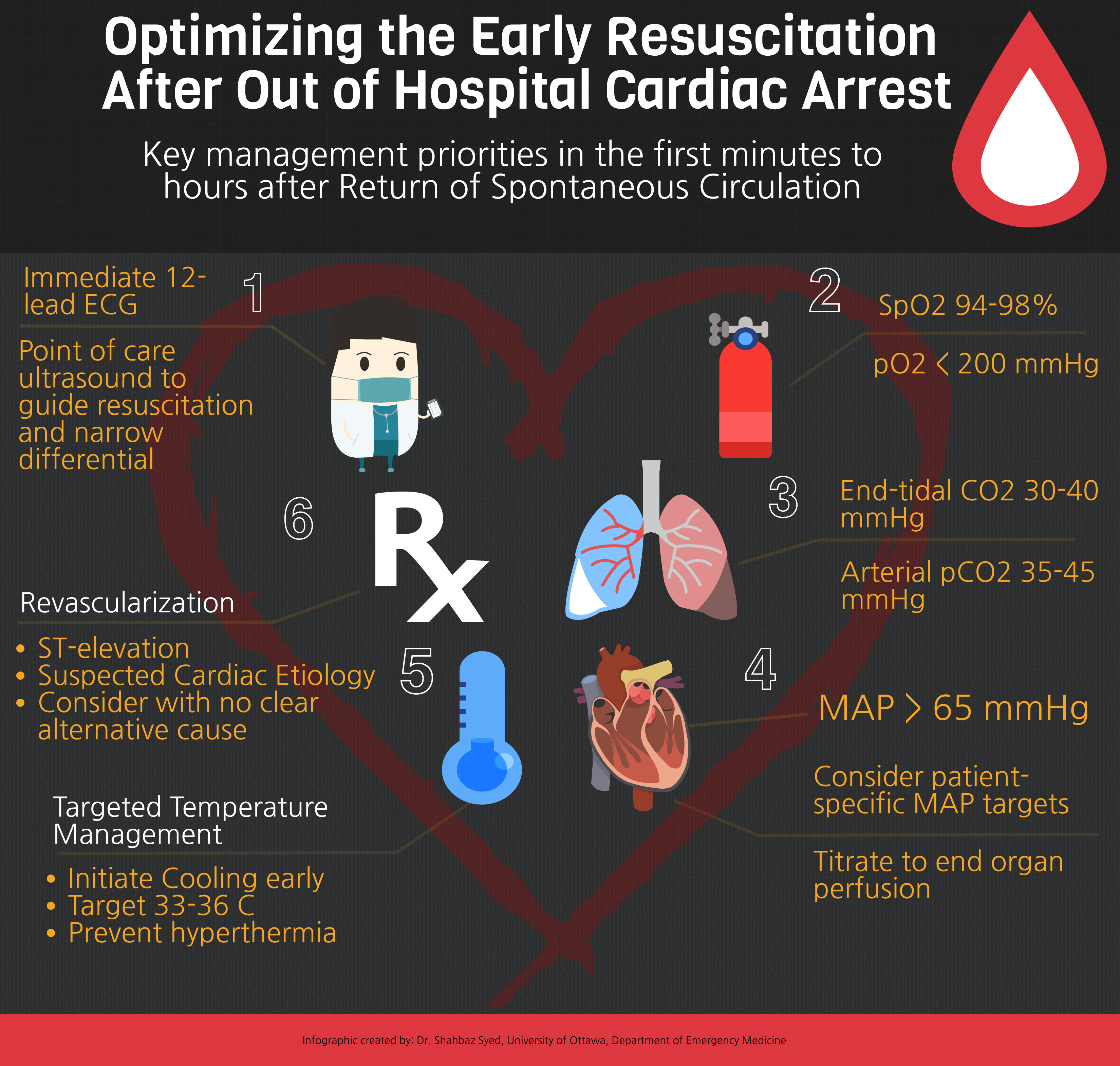
The dust has just settled, you’ve achieved Return of Spontaneous Circulation (ROSC) in a cardiac arrest patient – now what? Post cardiac arrest syndrome has the potential for significant morbidity and mortality that persists long after ROSC. There are many...

by Richard Hoang | Aug 22, 2019 | Critical Care, Mass Casualty / Disaster, Pre-Hospital, Trauma
Blast injuries resulting from explosions have the capacity to cause life-threatening multisystem injuries in multiple victims simultaneously. The biggest potential challenge in managing blast injuries is the creation of large numbers of simultaneous critically ill...

by Richard Hoang | Aug 8, 2019 | cardiac arrest, Critical Care, Procedural care, Trauma
Emergency Resuscitative Thoracotomy (ERT) is a potentially lifesaving intervention. It is a true salvage procedure, without which survival is essentially zero, even in indicated scenarios. After reading this post, you’ll be slightly more comfortable should you...