
by Chris Mong, Alex Coutin, Richard Hoang | Oct 31, 2019 | Featured, Gastroenterology, Grand Round Summaries, Most Viewed
Anorectal issues commonly present to the Emergency Department (ED), however, the evidence around many of these conditions is sparse and practice varies widely. ED providers should have a grasp on the management and disposition of common anorectal complaints. In part...

by Chirag Bhat, Kevin Durr, Julia Younan | Oct 10, 2019 | Featured, Gastroenterology
Imagine you are working overnight in your local emergency department (ED), your next patient to see is a 52 year old man, with a chief complaint of “Ostomy Issues”. You stare blankly at the screen as you try to remember the basics of an ostomy. What’s normal for an...
by Shannon Fernando | Sep 26, 2019 | Featured, Neurology
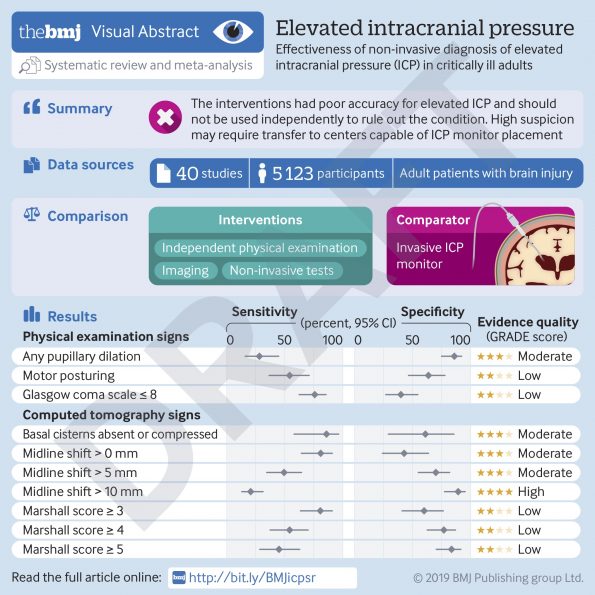
In the Emergency Department (ED) and Intensive Care Unit (ICU), we often encounter patients with brain injury. This includes patients with traumatic brain injury (TBI), subarachnoid hemorrhage (SAH), and intracerebral hemorrhage (ICH), among others [1]. In the ED and...

by Michael Woo, Elizabeth Lalande, Shahbaz Syed | May 16, 2019 | Featured, Ultrasound
Sudden cardiac arrest represents a significant cause of morbidity and mortality worldwide. Over 356,000 out-of-hospital cardiac arrests (OHCA) occur annually in the United States, with resuscitative efforts extending into the Emergency Department (ED)...
by Krishan Yadav, Shahbaz Syed | Feb 7, 2019 | Featured, Infectious Disease, Infographics
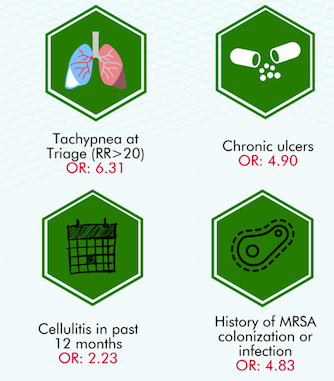
Non-purulent skin and soft tissue infections (SSTIs; i.e. cellulitis or erysipelas) account for up to 3% of all emergency department (ED) visits. Once the diagnosis of a non-purulent SSTI is made, the emergency physician must select the appropriate antibiotic agent,...