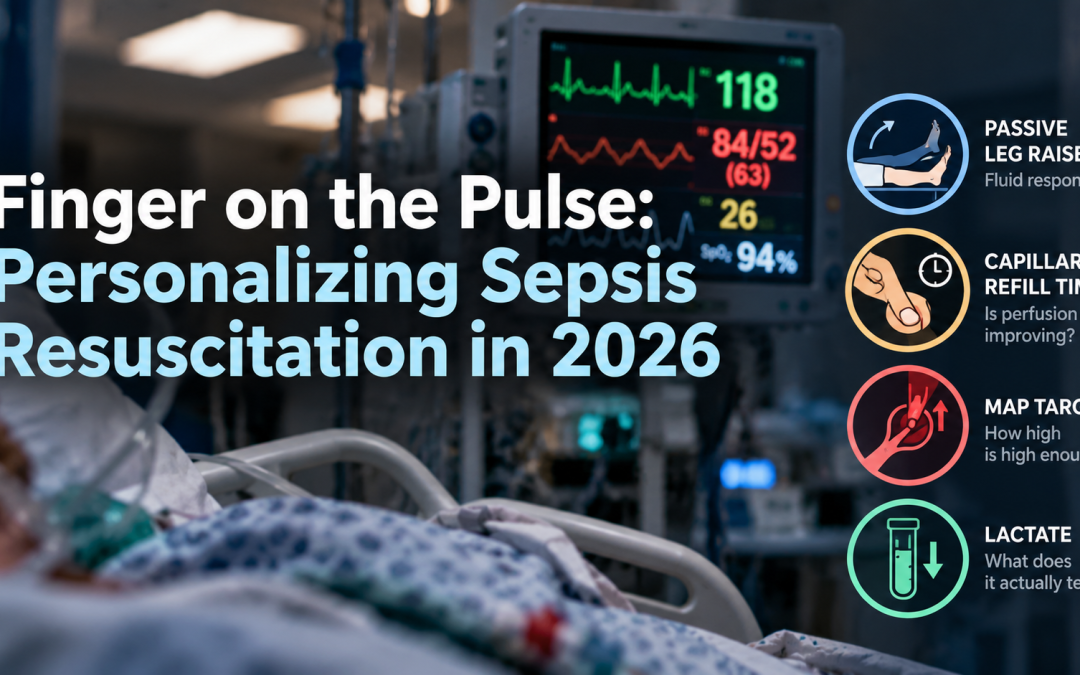
by Naman Arora | Oct 1, 2026 | Critical Care, Featured, Grand Round Summaries, Infectious Disease, Resuscitation
Sepsis resuscitation has evolved considerably over the past two decades, moving away from rigid protocols toward more individualized care. Yet many familiar targets remain: 30 mL/kg of fluid, a MAP of 65, and lactate clearance. But not every patient benefits from more...
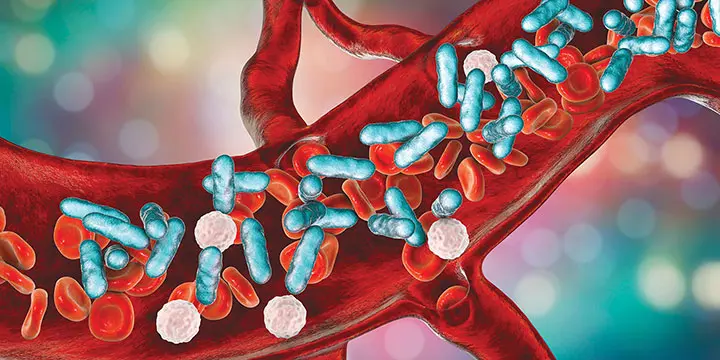
by Doran Drew, Amanda Mattice | Jun 23, 2022 | Critical Care, Featured, Grand Round Summaries, Infectious Disease, Resuscitation
A review of some of the most relevant elements of the 2021 surviving sepsis campaign for the emergency physician. Definitions Our operative definition of sepsis & septic shock are the sepsis-3 definitions [1]. Sepsis: “Sepsis is a life threatening organ...
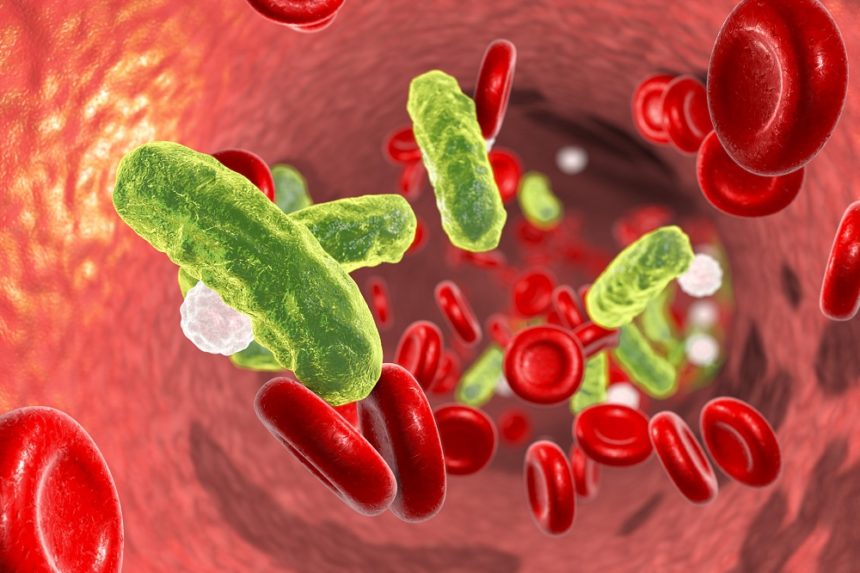
by Garrick Mok, Pascale King | May 7, 2020 | Critical Care, Featured, Grand Round Summaries, Infectious Disease, Resuscitation
The Surviving Sepsis Guidelines define sepsis as a “life-threatening organ dysfunction caused by a dysregulated host response to an infection”. Septic shock is further defined as sepsis with hypotension (MAP ≤65) and/or lactate ≥2.0 despite adequate fluid...
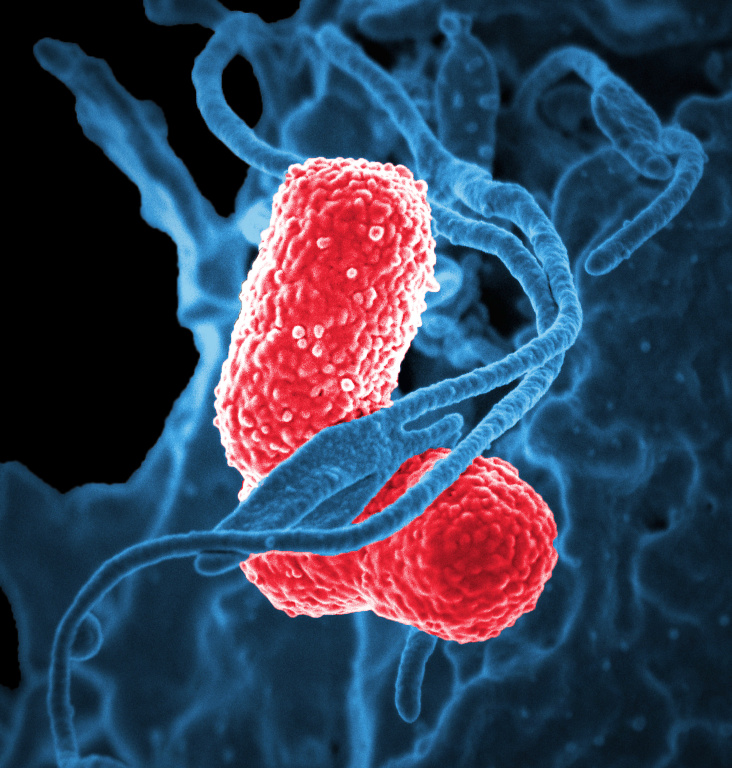
by Shannon Fernando, Kate O'Connell | Jan 30, 2020 | Critical Care, Grand Round Summaries, Resuscitation
In September 2018, Dr. Bram Rochwerg and I wrote a blog post on the treatment of patients with sepsis and septic shock. Much of this was based on the 2016 Surviving Sepsis Campaign (SSc) Clinical Practice Guidelines [1]. However, in a little over a year, significant...

by Ariel Hendin, Richard Hoang | Oct 25, 2018 | Critical Care, Grand Round Summaries, Resuscitation
When we are caring for a septic patient in the ED, we know that aggressive care with early antibiotics and ensuring adequate preload saves lives. But what do we do when we aren’t sure if more fluid will help any longer? How can we finesse our fluid...