
by Doran Drew | Jun 8, 2021 | Commentary, Critical Care, Grand Round Summaries, Journal Club, Resuscitation
Hey everyone! Buckle up. This is a long one. To provide context, I recently presented a 2-part blog post regarding thrombolytics in acute ischemic stroke. In these posts I explored the foundational literature for this tPA, as well as some of the common controversies I...
by Darren Wong, Josee Malette | Jun 3, 2021 | Grand Round Summaries, Respirology, Resuscitation
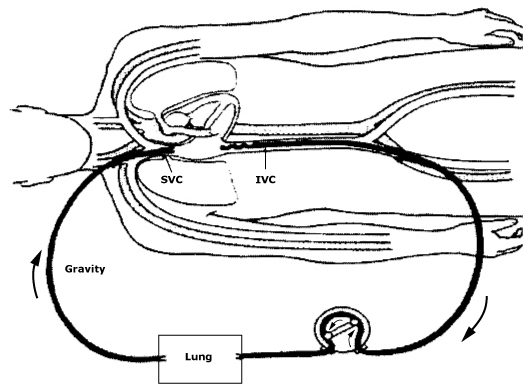
Extra Corporeal Membrane Oxygenation (ECMO) has significantly progressed over the past decades. It has become an invaluable tool in the care of adults with severe cardiac and pulmonary disease refractory to conventional management. The implementation of ECMO has even...

by Hashim Kareemi, Alie Wudwud | Apr 29, 2021 | Critical Care, Featured, Grand Round Summaries, Resuscitation
In Part 1 of our 2-series on Elevated ICP in the ED, Dr. Hashim Kareemi described the pathophysiology of elevated ICP and compared the options for diagnosis. Click here to review Part 1. In this Part 2 post, Dr. Kareemi takes us through a phased approach to managing...

by Hashim Kareemi, Alie Wudwud | Apr 22, 2021 | Critical Care, Featured, Grand Round Summaries, Resuscitation
This comprehensive, 2-part blog post by Dr. Hashim Kareemi reviews the current literature and guidelines on elevated ICP in the emergeny department. Part 1 reviews the pathophysiology and detrimental effects of sustained elevated ICP, and provides an excellent...

by Maeghan Fu, Josee Malette, Pascale King | Mar 11, 2021 | Grand Round Summaries, Hematology, Neurosurgery, Resuscitation, Trauma
Tick. Tock. It’s time for a TXA update. This blog post aims to arm you with the most up-to-date knowledge for the use of tranexamic acid (TXA) in the ED. We will review TXA in the context of gastrointestinal bleeding, traumatic brain injuries, hemoptysis,...

by Hans Rosenberg | Feb 22, 2021 | cardiac arrest, Cardiology, Critical Care, Featured, Journal Club, Resuscitation
Methodology: 3.5/5 Usefulness: 3.5/5 Yannopoulos D, et al. Lancet. 2020 Dec 5;396(10265):1807-1816. Question and Methods: The ARREST trial was a phase 2, single centre, open-label, RCT comparing early ECMO facilitated resuscitation to ED-based standard ACLS care for...
by Lindsay Cheskes, Josee Malette | Jan 7, 2021 | COVID-19, Featured, Grand Round Summaries, Mass Casualty / Disaster, Resuscitation
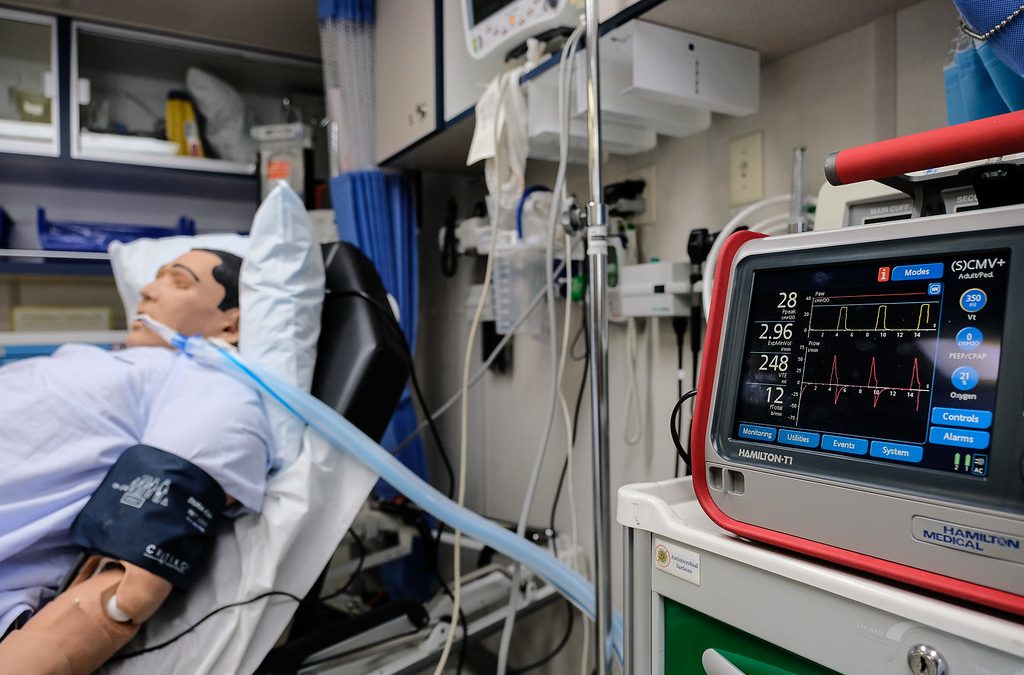
In situ simulation, informally thought of as “crash testing the dummy”, is defined as a team-based training technique conducted within the actual patient care environment, involving members of the healthcare team using equipment and resources from the...
by Hans Rosenberg | Dec 14, 2020 | Full Article, Gastroenterology, Journal Club, Resuscitation
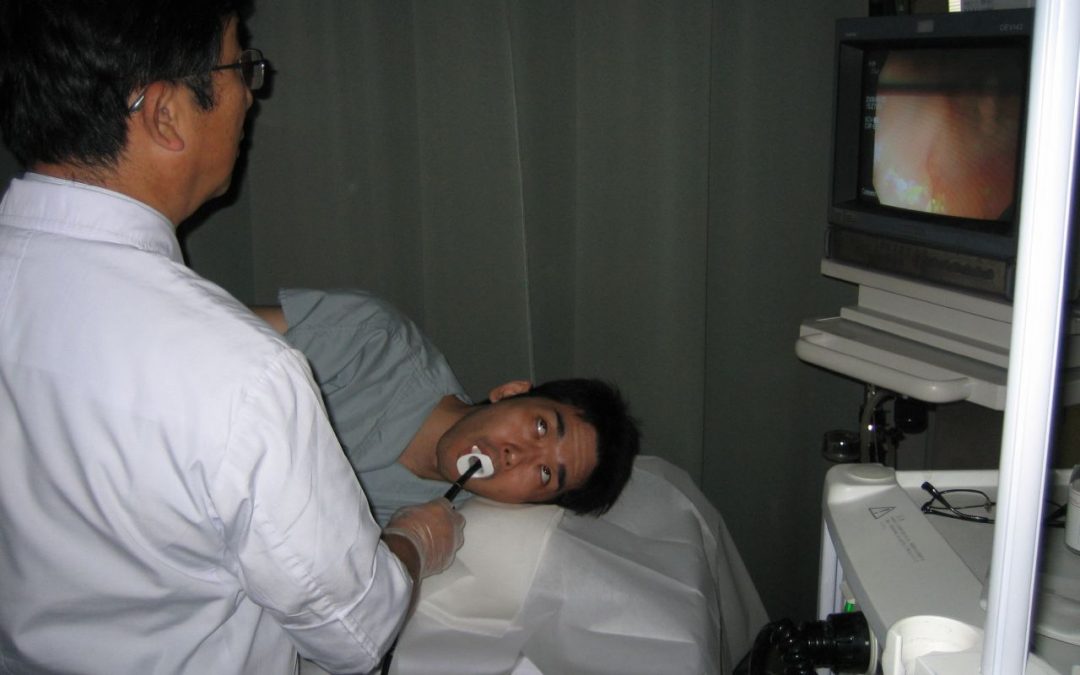
Methodology: 3/5 Usefulness: 3.5/5 Lau JYW, et al. N Engl J Med. 2020 Apr 2;382(14):1299-1308. Question and Methods: Single centre RCT comparing whether urgent (<6h) endoscopy improved outcomes compared to early endoscopy (6-24h) in patients presenting with...

by Shahbaz Syed | Dec 10, 2020 | Airway, COVID-19, Critical Care, Featured, Grand Round Summaries, Infographics, Resuscitation, Trauma
I think we’re all pretty much ready for the end of 2020, what a year it has been. It seems fitting that our most viewed article here at EMOttawa this year was on the management of hemorrhoids. Taking a walk down memory lane, we present our 10 most popular posts...
by Hans Rosenberg | Nov 16, 2020 | Critical Care, Journal Club, Resuscitation, Thrombosis, Trauma
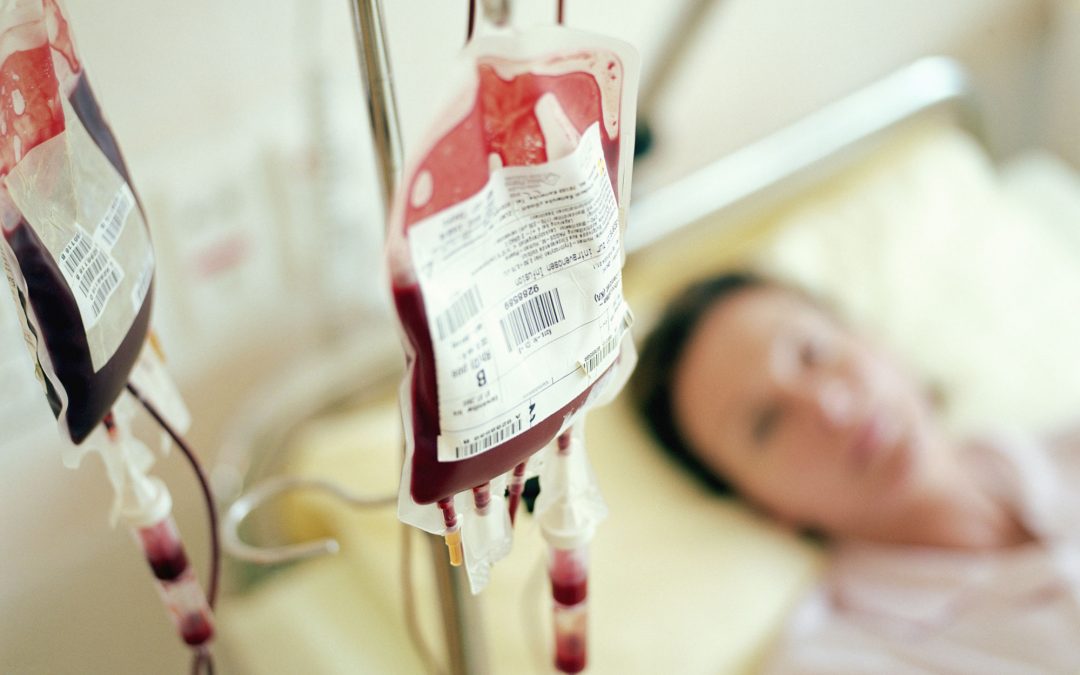
Methodology: 4/5 Usefulness: 3.5/5 Baksaas-Aasen K, et al. Intensive Care Med. 2020 Oct 13. doi: 10.1007/s00134-020-06266-1. Question and Methods: Pragmatic, European, multi-center RCT comparing outcomes in trauma patients who received empiric massive transfusion...