
by Richard Hoang | Aug 29, 2019 | Airway, Featured, Toxicology, Trauma
Patients with both burn and inhalation injuries have significantly increased morbidity and mortality compared to those with just burn injuries alone, as there are multiple toxic industrial chemicals that act on the respiratory tract. In this post, we review...

by Michael Woo, Elizabeth Lalande, Shahbaz Syed | May 16, 2019 | Featured, Ultrasound
Sudden cardiac arrest represents a significant cause of morbidity and mortality worldwide. Over 356,000 out-of-hospital cardiac arrests (OHCA) occur annually in the United States, with resuscitative efforts extending into the Emergency Department (ED)...
by Hans Rosenberg | Mar 25, 2019 | Critical Care, Featured, Full Article, Infectious Disease
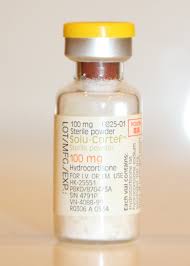
Journal Club Summary Methodology: 3/5 Usefulness: 3.5/5 Annane D, et al. N Engl J Med. 2018 Mar 1;378(9):809-818. Editorial: A Role for Hydrocortisone Therapy in Septic Shock? Question and Methods: Large multi-center, double-blinded, randomized-controlled trial...

by Justin Godbout, Richard Hoang, Shankar Sethuraman | Mar 14, 2019 | cardiac arrest, Critical Care, Featured, Grand Round Summaries, Pre-Hospital, Resuscitation
Mechanical CPR is a technology whereby a machine performs chest compressions in place of a human provider. These devices are becoming increasingly prevalent in the prehospital and in-hospital arenas, and it is inevitable that healthcare providers will interact with...
by Richard Hoang | Mar 7, 2019 | Critical Care, Featured, Pre-Hospital, Resuscitation, Trauma
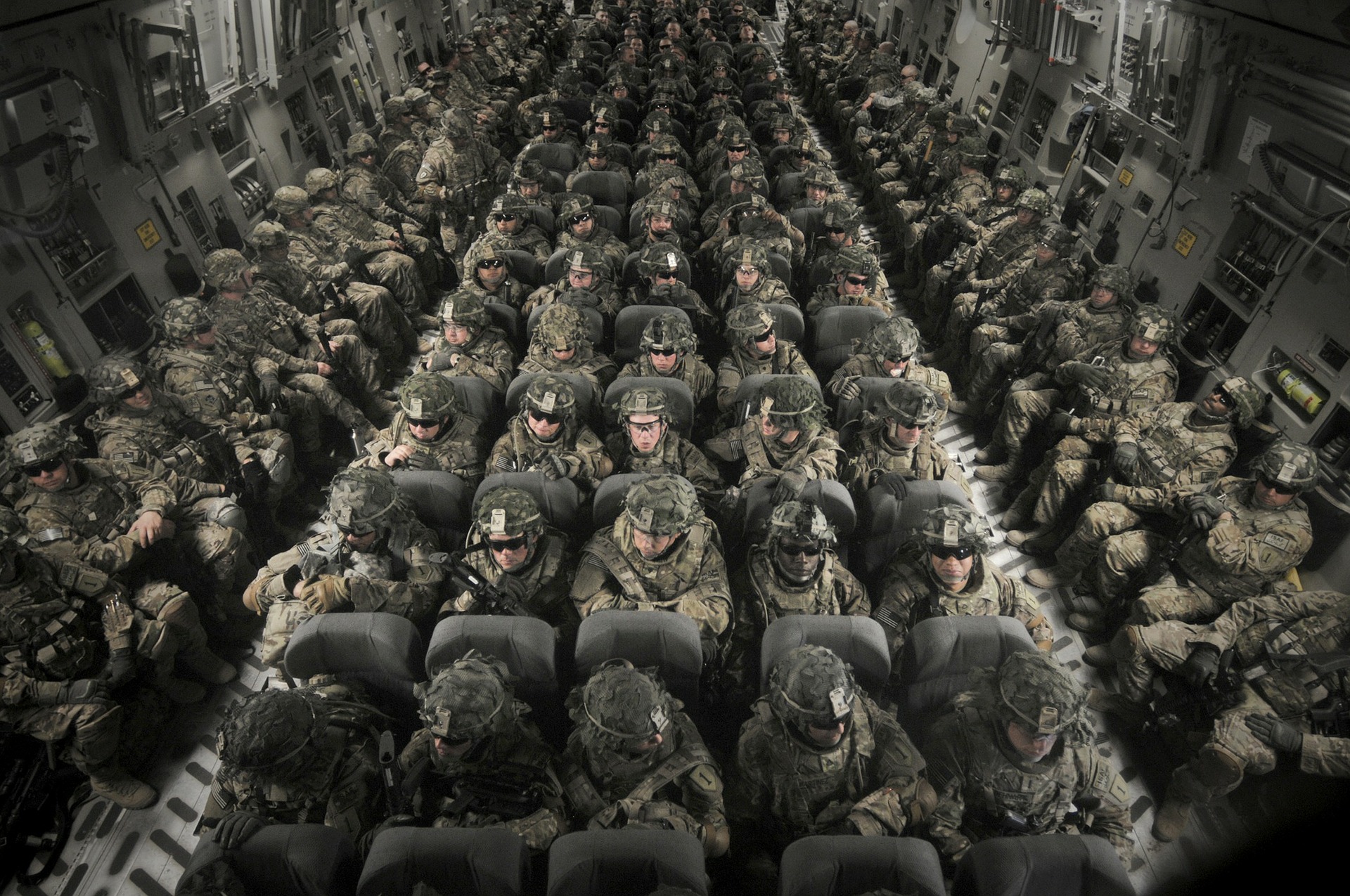
Hemorrhage is the leading cause of preventable death on the battlefield. Damage Control Resuscitation (DCR) works synergistically with Damage Control Surgery (DCS) and prioritizes non-surgical interventions that reduce morbidity and mortality due to trauma and...
by Nick Prudhomme | Feb 21, 2019 | Featured
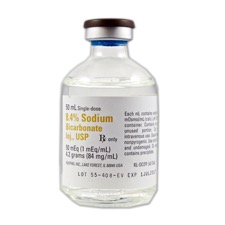
We’re familiar with sodium bicarbonate as a simple buffer solution, which has been utilized for a myriad of medical indications backed up by physiologic rationale and occasional moderate-quality evidence. It comes in two forms; vials (typically for infusions) and...

by Katherine Soucie, Richard Hoang, Shankar Sethuraman | Feb 14, 2019 | Featured, Grand Round Summaries
In this post, we will aim to review the literature looking at identifying clinical and historical features that can help differentiate stroke mimics from strokes. We will also discuss the safety of the administration of IV tPA to misdiagnosed stroke mimics. This post...
by Hans Rosenberg | Feb 11, 2019 | Airway, cardiac arrest, Critical Care, Featured, Full Article, Journal Club, Pre-Hospital
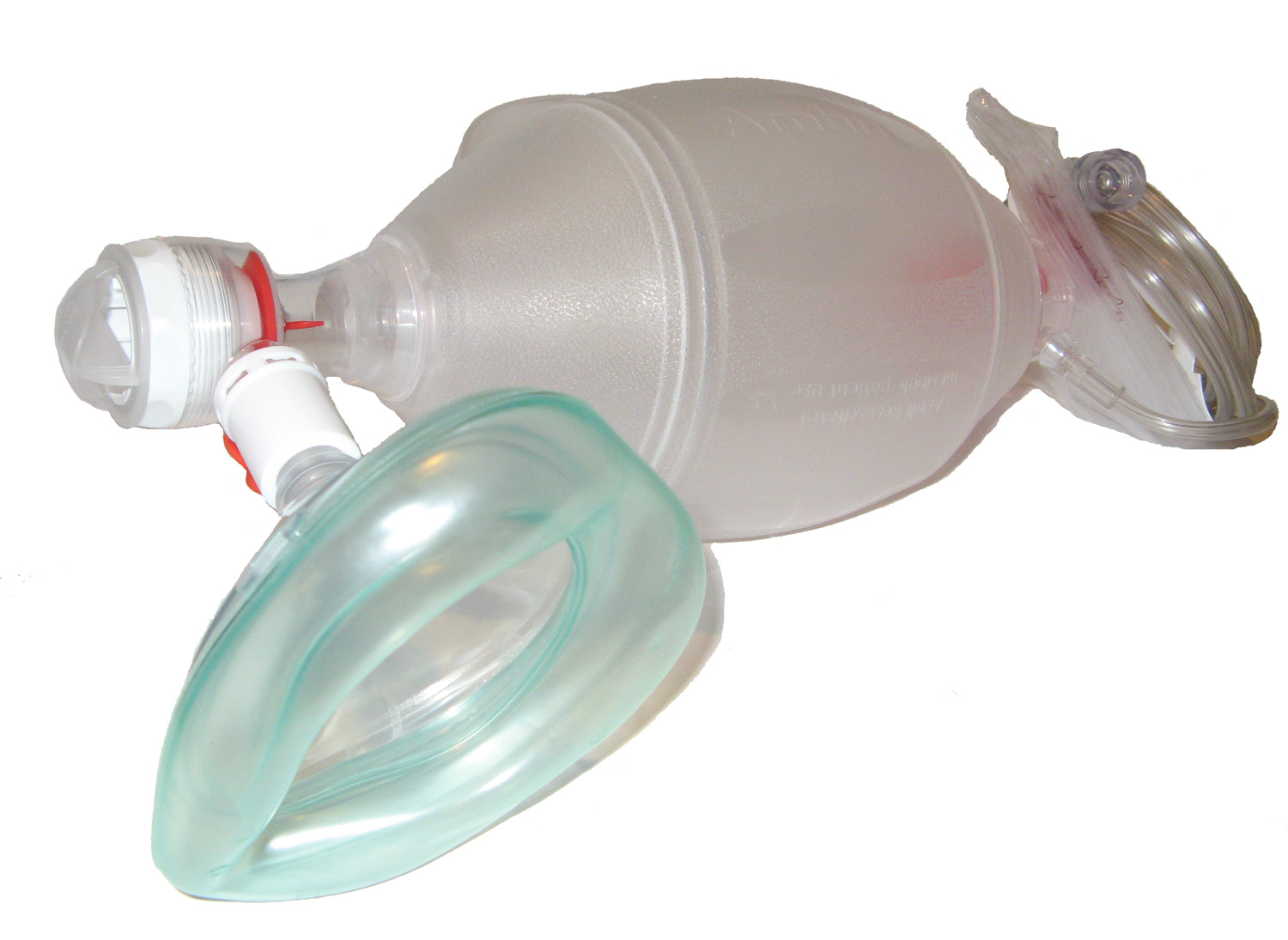
Journal Club Summary Methodology Score: 3.5/5 Usefulness Score: 2.5/5 Jabre P, et al. JAMA. 2018 Feb 27;319(8):779-787. Question and Methods: This was a multicenter randomized trial comparing bag valve mask ventilation with endotracheal intubation performed by...
by Krishan Yadav, Shahbaz Syed | Feb 7, 2019 | Featured, Infectious Disease, Infographics
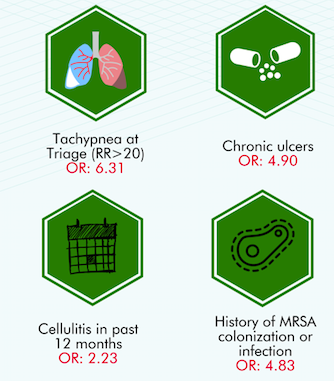
Non-purulent skin and soft tissue infections (SSTIs; i.e. cellulitis or erysipelas) account for up to 3% of all emergency department (ED) visits. Once the diagnosis of a non-purulent SSTI is made, the emergency physician must select the appropriate antibiotic agent,...

by Venkatesh Thiruganasambandamoorthy, Shahbaz Syed | Feb 6, 2019 | Cardiology, Featured, Infographics
Syncope constitutes 1% of Emergency Department (ED) visits, and approximately 10% of these patients will have serious underlying conditions causing syncope (arrhythmia, MI, serious structural heart disease, pulmonary embolism, subarachnoid or severe hemorrhage)....