

We are excited to introduce the Sixth edition of The Ottawa Handbook of Emergency Medicine. Your bedside guide for approaches to various Emergency Medicine presentations.
Highlights of the Sixth edition include the addition of: Oncologic emergencies, approach to the pregnant patient, geriatrics and more!

Assessing and Finessing: An Airway Update
Securing definitive control of a threatened airway is a fundamental skill in the care of critically ill patients and remains an ever-popular topic of discussion in Emergency Medicine. As Emergency Medicine providers, we find few procedures as satisfying or potentially...

Is PoCUS a reliable predictor of outcome during cardiac arrest?
Sudden cardiac arrest represents a significant cause of morbidity and mortality worldwide. Over 356,000 out-of-hospital cardiac arrests (OHCA) occur annually in the United States, with resuscitative efforts extending into the Emergency Department (ED)...

Full Study Report of Andexanet Alfa for Bleeding Associated with Factor Xa Inhibitors
Journal Club Summary Methodology: 2.5/5 Usefulness: 2/5 Connolly SJ, et al. N Engl J Med. 2019 Feb 7. Question and Methods: This was the first trial looking at clinical outcomes for reversal of factor Xa inhibitor anticoagulation in major bleeding episodes using the...

Early Pregnancy Loss: A Patient-Centered Care Model
This article discusses the patient perspective of early pregnancy loss in the ED. We will define the quality gap as it pertains to ED care for patients with early pregnancy loss. We will then look at patient-centered communication strategies for counseling and...

Life in the balance: Why fluid choice matters in the Emergency Department
IV fluid is a drug Intravenous fluid administration is the second most common medical intervention next to supplemental oxygen.1 Over 200 million liters of normal saline (NS) is used in the United States annually.2 Intravenous fluids, like any other drug, should be...
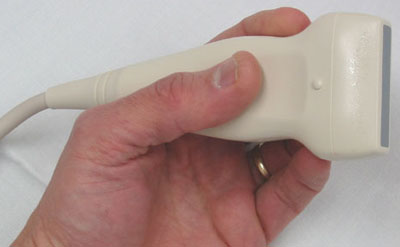
Abscess Incision and Drainage With or Without Ultrasonography: A Randomized Controlled Trial
Journal Club Summary Methodology Score: 2.5/5 Usefulness Score: 2/5 Gaspari RJ, et al. Ann Emerg Med. 2019 Jan;73(1):1-7 Question and Methods: Unblinded single-centre RCT comparing POCUS vs. physical exam guided I&D of abscesses in systemically well patients,...

Airway Checklists in the ED
A checklist is a physical, cognitive aid that lists essential actions required for a task to compensate for limitations in human memory. While checklists have been around forever, the concept of checklists in medicine is much newer. Medical checklists have been...
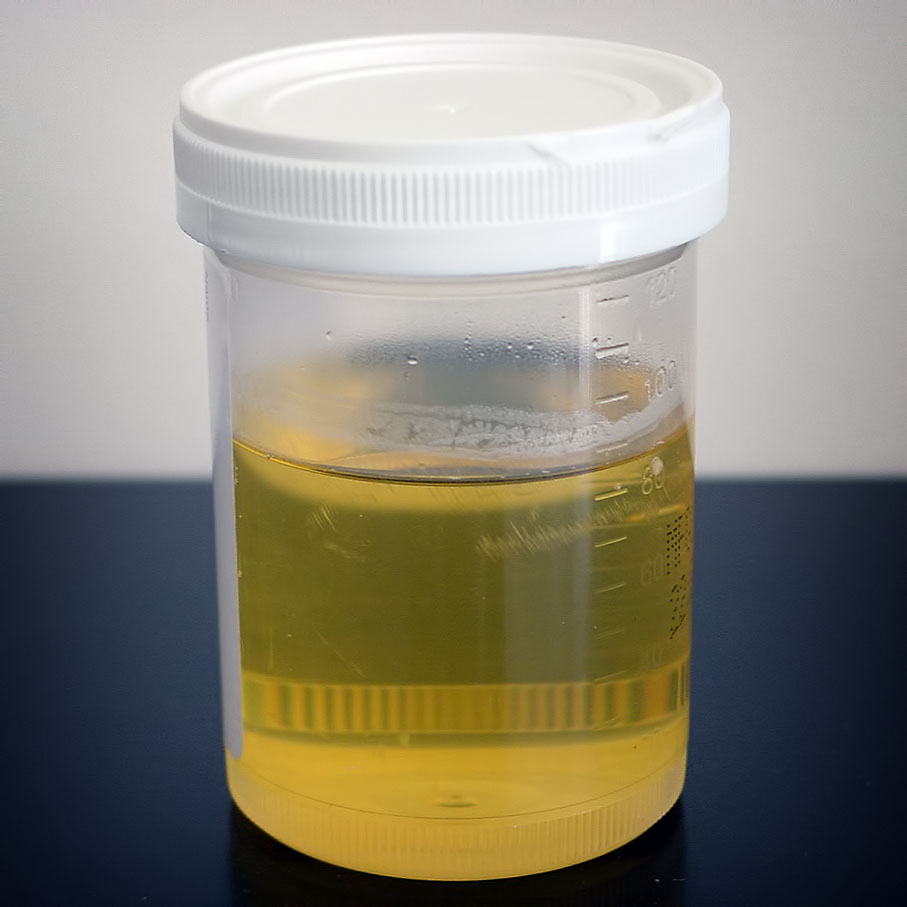
Development and Validation of a Calculator for Estimating the Probability of Urinary Tract Infection in Young Febrile Children
Journal Club Summary Methodology Score: 3.5/5 Usefulness Score: 3/5 Shaikh N, Hoberman A, Hum SW, Alberty A, Muniz G, Kurs-Lasky M, Landsittel D, Shope T. JAMA Pediatr. 2018 Jun 1;172(6):550-556. Question and Methods: The objective was to develop a risk-tool (UTICalc)...

Consent for resuscitation of incapable patients in the Emergency Department
In the second part of this two-part series, Dr. Michael Wong discusses the process for obtaining consent for incapable persons in the Emergency Department. For a review of a rational and patient-centered approach to difficult discussions in the Emergency Department...
Hydrocortisone plus Fludrocortisone for Adults with Septic Shock
Journal Club Summary Methodology: 3/5 Usefulness: 3.5/5 Annane D, et al. N Engl J Med. 2018 Mar 1;378(9):809-818. Editorial: A Role for Hydrocortisone Therapy in Septic Shock? Question and Methods: Large multi-center, double-blinded, randomized-controlled trial...