
by Krishan Yadav | Nov 7, 2019 | Featured, Journal Club, Trauma
Dr. Krishan Yadav is an FRCPC Emergency Medicine Physician with a Masters in Clinical Epidemiology, and here he helps to provide some great insights and opinions into the recently published CRASH-3 trial. Tranexamic Acid (TXA) TXA is an inexpensive and readily...

by Chris Mong, Alex Coutin, Richard Hoang | Oct 31, 2019 | Featured, Gastroenterology, Grand Round Summaries, Most Viewed
Anorectal issues commonly present to the Emergency Department (ED), however, the evidence around many of these conditions is sparse and practice varies widely. ED providers should have a grasp on the management and disposition of common anorectal complaints. In part...

by Adam Parks, Kate O'Connell, Richard Hoang | Oct 24, 2019 | Airway, Anesthesiology, Featured, Grand Round Summaries
Here we seek to provide a guide on when to consider awake intubation in the Emergency Department (ED), with an approach to the procedure! The Difficult Airway When assessing patients who may require any form of airway intervention, we should be assessing for two main...

by Richard Hoang | Oct 17, 2019 | Featured, Trauma, Uncategorized
In this post, we’re going to do something a little different. Instead of reviewing a specific Emergency Medicine topic, we’re going to discuss Leadership – How to lead your team and make things happen during a high-stakes resuscitation. As the Leadership principles...

by Chirag Bhat, Kevin Durr, Julia Younan | Oct 10, 2019 | Featured, Gastroenterology
Imagine you are working overnight in your local emergency department (ED), your next patient to see is a 52 year old man, with a chief complaint of “Ostomy Issues”. You stare blankly at the screen as you try to remember the basics of an ostomy. What’s normal for an...

by Scott Odorizzi, Alex Coutin | Oct 3, 2019 | Featured, Grand Round Summaries, Quality Improvement
In today’s post, we seek to: Understand what artificial intelligence (AI) is Generate a basic understanding of how AI works Review applications of AI in the Emergency Department (ED): Patient care Predictive Analytics ED Operations Intelligence Intelligence...
by Shannon Fernando | Sep 26, 2019 | Featured, Neurology
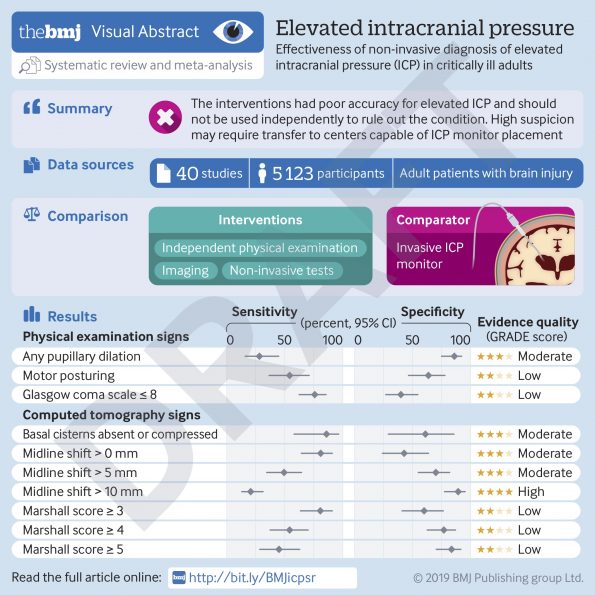
In the Emergency Department (ED) and Intensive Care Unit (ICU), we often encounter patients with brain injury. This includes patients with traumatic brain injury (TBI), subarachnoid hemorrhage (SAH), and intracerebral hemorrhage (ICH), among others [1]. In the ED and...

by Richard Hoang | Sep 12, 2019 | Featured, Most Viewed, Trauma
If you work at a trauma center, then you’re bound to see your fair share of abdominal stab wounds. Though civilian penetrating trauma has declined over recent decades and is less common than blunt trauma, penetrating trauma represents ~10% of all trauma...
by Peter Reardon, Shahbaz Syed | Sep 11, 2019 | Critical Care, Featured, Infographics
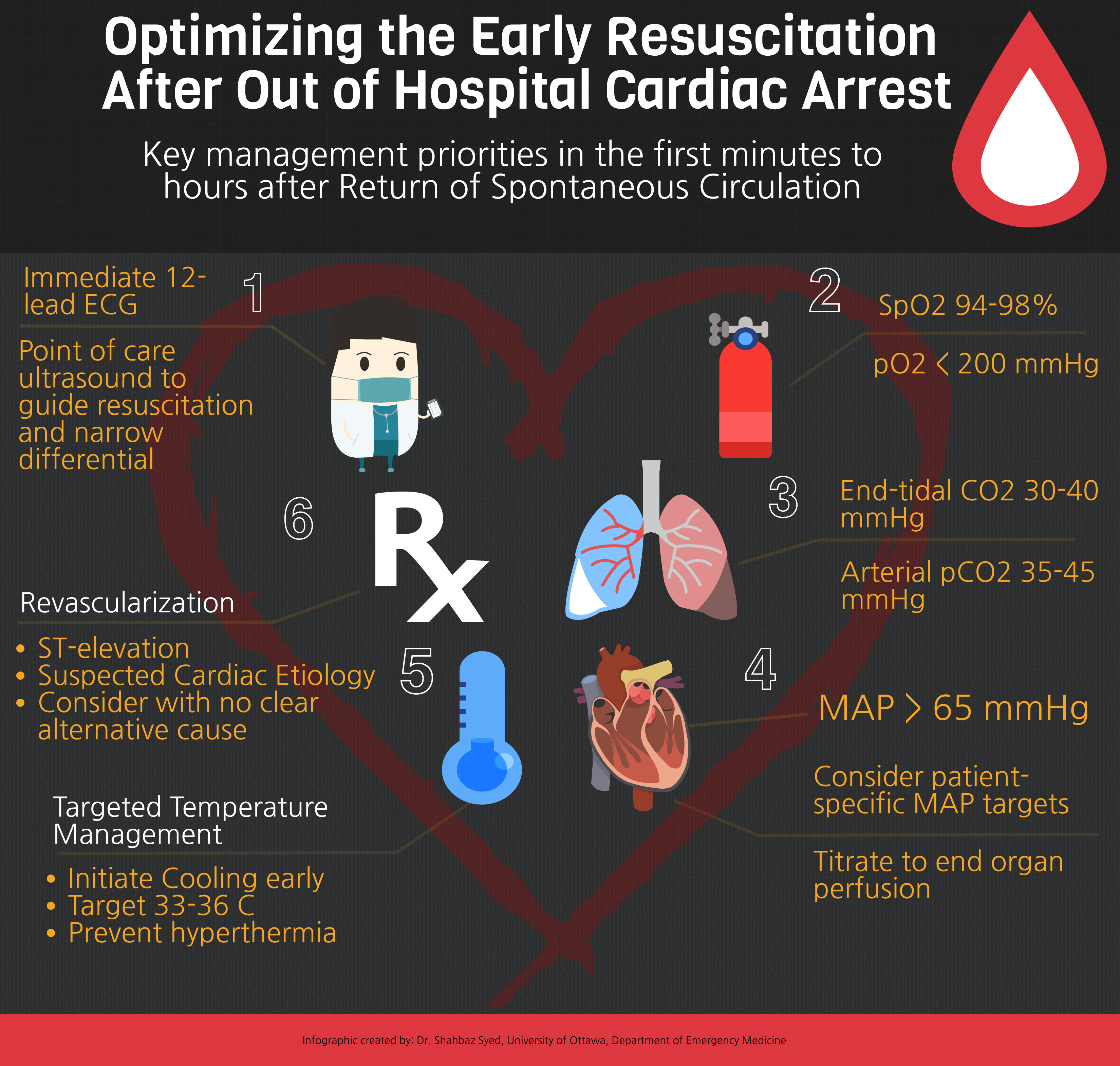
The dust has just settled, you’ve achieved Return of Spontaneous Circulation (ROSC) in a cardiac arrest patient – now what? Post cardiac arrest syndrome has the potential for significant morbidity and mortality that persists long after ROSC. There are many...

by Richard Hoang | Aug 29, 2019 | Airway, Featured, Toxicology, Trauma
Patients with both burn and inhalation injuries have significantly increased morbidity and mortality compared to those with just burn injuries alone, as there are multiple toxic industrial chemicals that act on the respiratory tract. In this post, we review...