

We are excited to introduce the Sixth edition of The Ottawa Handbook of Emergency Medicine. Your bedside guide for approaches to various Emergency Medicine presentations.
Highlights of the Sixth edition include the addition of: Oncologic emergencies, approach to the pregnant patient, geriatrics and more!

Prevalence of Pulmonary Embolism Among Patients With COPD Hospitalized With Acutely Worsening Respiratory Symptoms
Methodology: 3/5 Usefulness: 3/5 Couturaud F, et al. JAMA. 2021 Jan 5;325(1):59-68. Question and Methods: This study used a multicenter, cross-sectional methodology with prospective follow up to determine the rates of PE in 740 COPD patients using the rGeneva score....
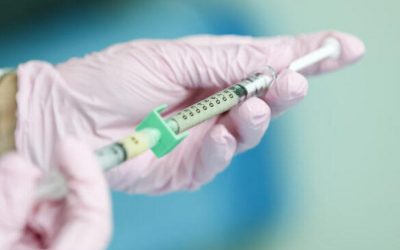
Thrombolytic Therapy: A Stroke of Luck? Part 2
Addressing the Controversies Around Thrombolytic Therapy (tPA) In our previous blog post, we reviewed the formative literature supporting the currently used tPA time window. The figure below highlights a summary of the time windows investigated within each study and...

Thrombolytic Therapy: A Stroke of Luck? Part 1
Review of the formative literature of our current tPA time window in Acute Ischemic Stroke After numerous case series and smaller prospective studies suggesting benefit for thrombolytic therapy (tPA), the early 90s ushered in the era of thrombolytic RCTs for acute...

Reducing Diagnostic Errors: Using Cognitive Science
Have you ever sat at M&M rounds, seeing the same lists of biases and the same diagnostic errors being discussed over and over again? I know I have. I am often left wondering how can we do better? The solution seems simple - learn the biases, know the biases, don't...
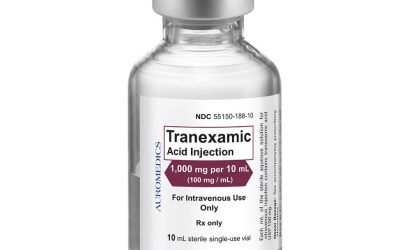
The Use of Tranexamic Acid to Reduce the Need for Nasal Packing in Epistaxis (NoPAC): Randomized Controlled Trial
Methodology: 3/5 Usefulness: 3/5 Reuben A, et al. Ann Emerg Med. 2021 Feb 18:S0196-0644(20)31461-X. Question and Methods: This was a double-blind, randomized controlled trial comparing topical tranexamic acid to placebo in patients presenting to the ED with epistaxis...
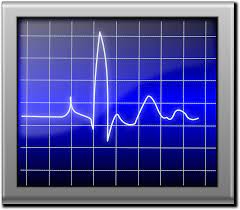
Computer Based ECG Interpretation: It’s Use in the ED
ECG interpretation is a core and fundamental skill of emergency medicine. Emergency physicians are expected to provide expert ECG interpretation quickly in a busy emergency department environment and initiate emergent and life-saving interventions base on those...
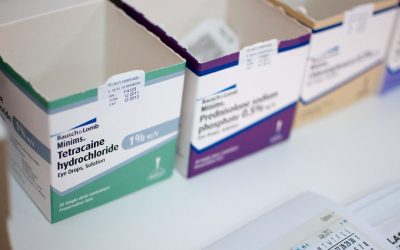
Short-Term Topical Tetracaine Is Highly Efficacious for the Treatment of Pain Caused by Corneal Abrasions: A Double-Blind, Randomized Clinical Trial
Methodology: 2/5 Usefulness: 2/5 Shipman S, et al. Ann Emerg Med. 2021 Mar;77(3):338-344. doi: 10.1016/j.annemergmed.2020.08.036. Question and Methods: Double blinded RCT comparing tetracaine versus placebo eye drops for 24 hours in the treatment of pain...

Breaking the Brain Code: Elevated ICP in the ED Part 2
In Part 1 of our 2-series on Elevated ICP in the ED, Dr. Hashim Kareemi described the pathophysiology of elevated ICP and compared the options for diagnosis. Click here to review Part 1. In this Part 2 post, Dr. Kareemi takes us through a phased approach to managing...
Association Between Administration of Systemic Corticosteroids and Mortality Among Critically Ill Patients With COVID-19: A Meta-analysis
Methodology: 4/5 Usefulness: 4/5 WHO Rapid Evidence Appraisal for COVID-19 Therapies (REACT) Working Group, Sterne JAC et al. JAMA. 2020 Oct 6;324(13):1330-1341. Question and Methods: Prospective meta-analysis of 7 RCTs investigating the utility of systemic...

Breaking the Brain Code: Elevated ICP in the ED Part I
This comprehensive, 2-part blog post by Dr. Hashim Kareemi reviews the current literature and guidelines on elevated ICP in the emergeny department. Part 1 reviews the pathophysiology and detrimental effects of sustained elevated ICP, and provides an excellent...