

We are excited to introduce the Sixth edition of The Ottawa Handbook of Emergency Medicine. Your bedside guide for approaches to various Emergency Medicine presentations.
Highlights of the Sixth edition include the addition of: Oncologic emergencies, approach to the pregnant patient, geriatrics and more!
Outcome of Applying the ESC 0/1-hour Algorithm in Patients With Suspected Myocardial Infarction.
Methodology: 3/5 Usefulness: 3/5 Twerenbold R, et al. J Am Coll Cardiol. 2019 Jul 30;74(4):483-494. Editorial: Evaluating Suspected Acute MI in the Emergency Department: What Is and What Should Never Be. Question and Methods: Prospective international study...

Let’s talk about some drugs
Here, we seek to explore some controversial, poorly known, or irrelevant drugs in medicine in a menagerie of drug cocktails. 1. What drugs best treat SVT? A patient presents with the following rhythm strip, they're totally stable, on no medications and...

Anxiety, Depression and Everything in Between
In the past 5-10 years we have seen a significant increase in mental health-related complaints in the Emergency Department (ED), and during COVID this is especially noticeable. Historically, we've classically been taught to focus on performing safety assessments, and...

Protocol for lung ultrasound in COVID-19 patients
Lung PoCUS can rapidly diagnose the underlying etiology at the bedside of the acutely dyspneic patient. Lung PoCUS has excellent test characteristics for the diagnosis of pulmonary edema, pneumothorax and pleural effusions allowing the treating physician to rapidly...

Pulmonary Embolism in Pregnancy: Diagnostic Dilemmas
Epidemiology of pulmonary embolism in pregnancy The rate of pulmonary embolism (PE) in pregnancy is 5.4 per 10 000 pregnancies. This is 5x the risk of the general non-pregnant female population The rates of venous thromboembolism change throughout pregnancy:...

Braving the Electrical Storm in the ED
This post takes a deep dive into the pathophysiology, presentation and management of electrical storm in the emergency department. The management focuses on patients with implantable cardioverter-defibrillators receiving multiple shocks, patients with polymorphic...
Authentic emergency department leadership during a pandemic
This article published in CJEM 2020 by Dr. Eddy Lang and colleagues is freely accessible online and features tips for Emergency Department leadership during a pandemic.

Learning during COVID-19
During the COVID-19 pandemic, one of the challenges facing residents is continuing to receive high-quality learning during their training. Difficulties such as transitioning to a virtual platform, protecting residents from certain aerosol-generating procedures, and...
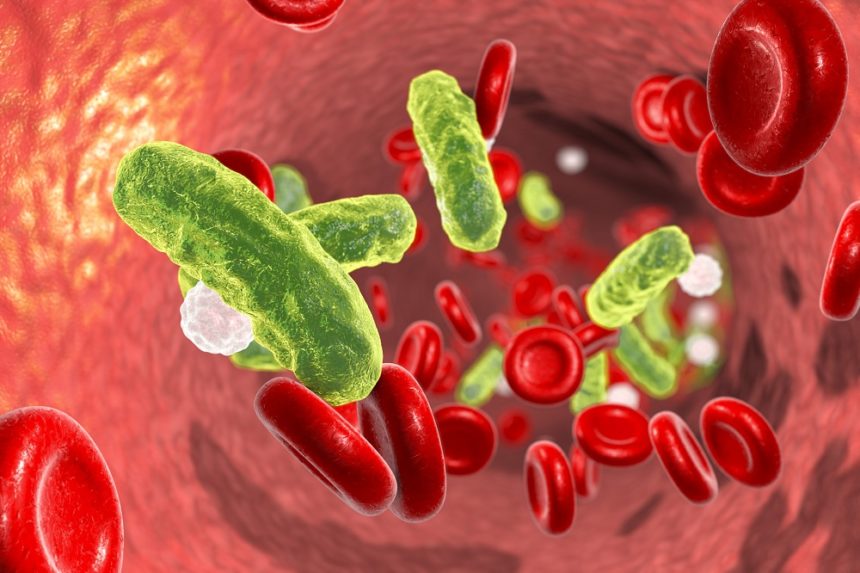
Sepsis and Septic Shock
The Surviving Sepsis Guidelines define sepsis as a “life-threatening organ dysfunction caused by a dysregulated host response to an infection”. Septic shock is further defined as sepsis with hypotension (MAP ≤65) and/or lactate ≥2.0 despite adequate fluid...
Infographic for COVID-19: What Paramedics Need to Know!
This article published in CJEM 2020 by Dr. Jason Buick and colleagues is freely accessible online and features a summary of the key areas that make COVID-19 a unique challenge for Paramedics.