

We are excited to introduce the Sixth edition of The Ottawa Handbook of Emergency Medicine. Your bedside guide for approaches to various Emergency Medicine presentations.
Highlights of the Sixth edition include the addition of: Oncologic emergencies, approach to the pregnant patient, geriatrics and more!

Wellness Week – closing thoughts
In 2018, CAEP endorsed the creation of a Wellness Committee, led by Drs. Roderick Lim (chair), Sara Gray (vice-chair), Louise Rang (communications), Lisa Fischer (secretary), Jada Fitzpatrick (resident representative). To conclude the Canadian EM Wellness Week, the...

Wellness in Emergency Medicine: A letter to my younger self – Dr. Hazel Park
Dr. Park is an Emergency physician and trauma team leader at Lions Gate Hospital, North Vancouver. She is also the Medical Director of the Regional Trauma Program at Vancouver Coastal Health, and a simulation instructor/enthusiast. Additionally, Hazel, a University...

Sandwich Generation – an interview with Ken Milne and nutritional advice
Today, we're fortunate enough to be joined by Dr. Ken Milne, also known as BATDOC, from the Skeptics Guide to Emergency Medicine Ken has an impressive social media reach, and has managed to become a successful emergency medicine clinician, researcher, an...

You’ve got a friend in me: the Importance of Social Wellness & being a new parent
Despite what you might think when you initially hear the term, there is more to social wellness than having an active social life. Social wellness is the positive effect that friends and loved ones have on your mental and physical health.(1,2) Sure, spending time with...

Finessing your Finances in residency
It’s no surprise to any resident that debt is a large contributor to stress. We have high debt levels that continue to rise1, and less job security as employment and career opportunities become harder to secure. We rarely talk about money during our training, and...

Canadian Emergency Medicine Wellness Week!
We’re back! Move aside John Snow, winter has arrived. The ED’s are crowded, influenza droplets permeate the air, and many of us are still recovering from the working blitz that is required of us during the holiday season (24/7/365 after all). We are feeling the...

Outpatient Management of Acute Exacerbations of COPD
In this post, we review an approach to antibiotics, bronchodilators, and corticosteroids in the outpatient management for acute exacerbations of COPD. COPD - The Basics What is it? An incompletely reversible obstructive lung disease due to airway and/or alveolar...
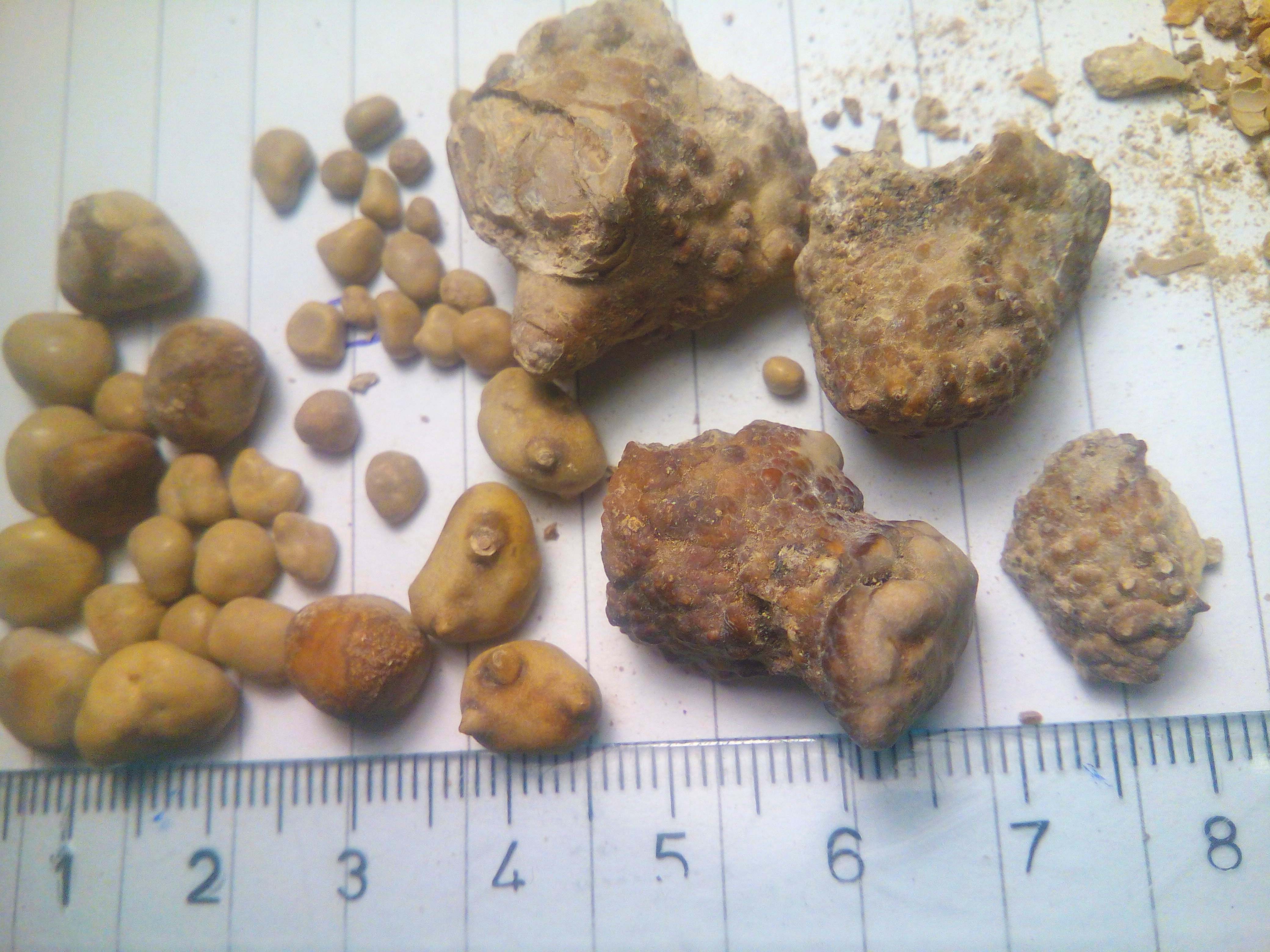
Effect of Tamsulosin on Passage of Symptomatic Ureteral Stones: A Randomized Clinical Trial
Journal Club Summary Methodology: 4/5 Usefulness: 2.5/5 Meltzer AC, et al. JAMA Intern Med. 2018 Aug 1;178(8):1051-1057. Editorial: Medical Expulsive Therapy for Ureteral Stones - Stone Age Medicine. Methods: This multi-center RCT of emergency department patients...

Polypharmacy, Prescribing, & Deprescribing in the ED
Care of the Elderly is an ever-growing, important, and prevalent part of an Emergency Physician's repertoire of skills. With increasing numbers of elderly patients presenting to EDs across Canada, we look to discuss the issue of polypharmacy, prescribing, and...
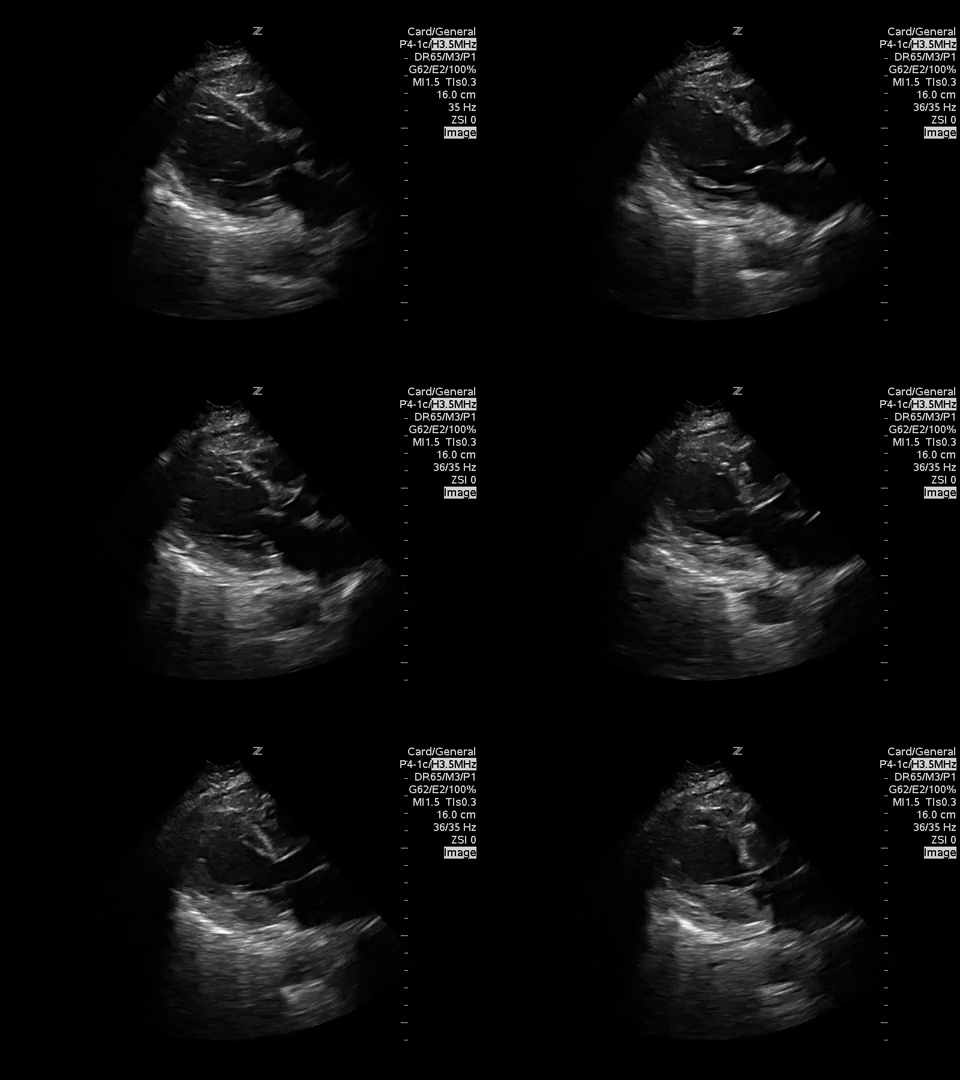
Does Point-of-Care Ultrasonography Improve Clinical Outcomes in Emergency Department Patients With Undifferentiated Hypotension? An International Randomized Controlled Trial From the SHoC-ED Investigators
Journal Club Summary Methodology Score: 3/5 Usefulness Score: 2/5 Atkinson PR, et al. Ann Emerg Med. 2018 Oct;72(4):478-489 Question and Methods: This was the first multicenter, prospective, RCT examining the effect of POCUS on 30-day survival of undifferentiated...