

We are excited to introduce the Sixth edition of The Ottawa Handbook of Emergency Medicine. Your bedside guide for approaches to various Emergency Medicine presentations.
Highlights of the Sixth edition include the addition of: Oncologic emergencies, approach to the pregnant patient, geriatrics and more!

Focus on POCUS: Ultrasound in Delirium
For other POCUS focused cases please see our ultrasound archives Case The next chart you pick up is for an 87 year-old female brought in by EMS from her nursing home for agitation and vomiting. She is afebrile and her vital signs are normal. She has a past medical...
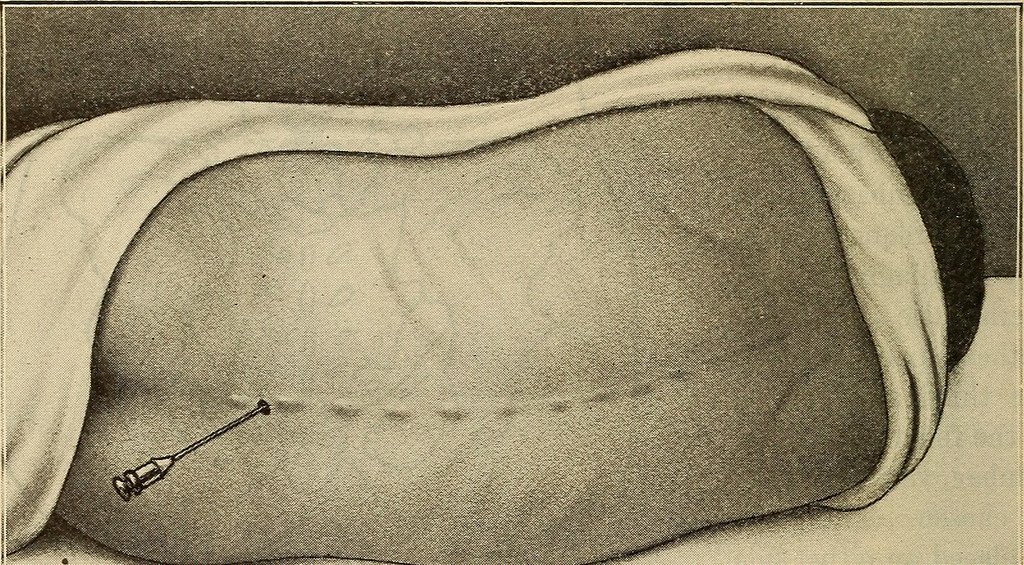
Atraumatic versus conventional lumbar puncture needles: a systematic review and meta-analysis
Journal Club Summary Methodology Score: 4/5 Usefulness Score: 5/5 Nath S, et al. Lancet. 2018 Mar 24;391(10126):1197-1204 Question and Methods: This meta-analysis sought to determine, in lumbar punctures, whether atraumatic or conventional (traumatic) spinal needles...

Procedural Sedation in the ED: Agents
In this two part series, we are delving into a few of the many controversies regarding procedural sedation and explore how to reduce resource utilization and ED length of stay. In PART 1, we discussed preprocedural fasting and concluded that adherence to fasting...
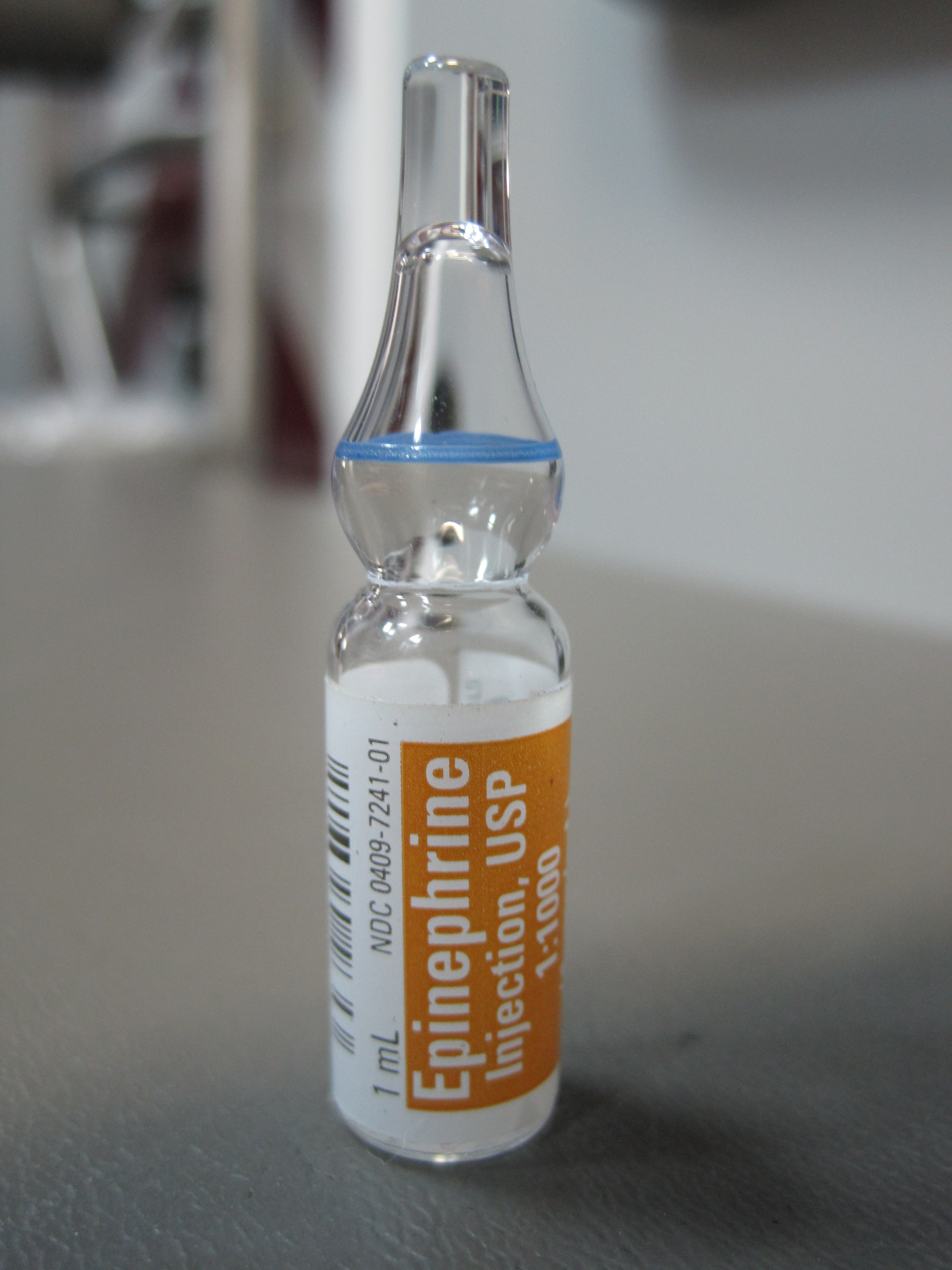
A Randomized Trial of Epinephrine in Out-of-Hospital Cardiac Arrest.
Journal Club Summary: A Randomized Trial of Epinephrine in Out-of-Hospital Cardiac Arrest Methodology Score: 4/5 Usefulness Score: 3.5/5 Perkins GD, et al N Engl J Med. 2018 Jul 18. Editorial: Testing Epinephrine for Out-of-Hospital Cardiac Arrest. Callaway CW, et...

Fill ‘er up: Fluid Responsiveness in the ED
When we are caring for a septic patient in the ED, we know that aggressive care with early antibiotics and ensuring adequate preload saves lives. But what do we do when we aren’t sure if more fluid will help any longer? How can we finesse our fluid...
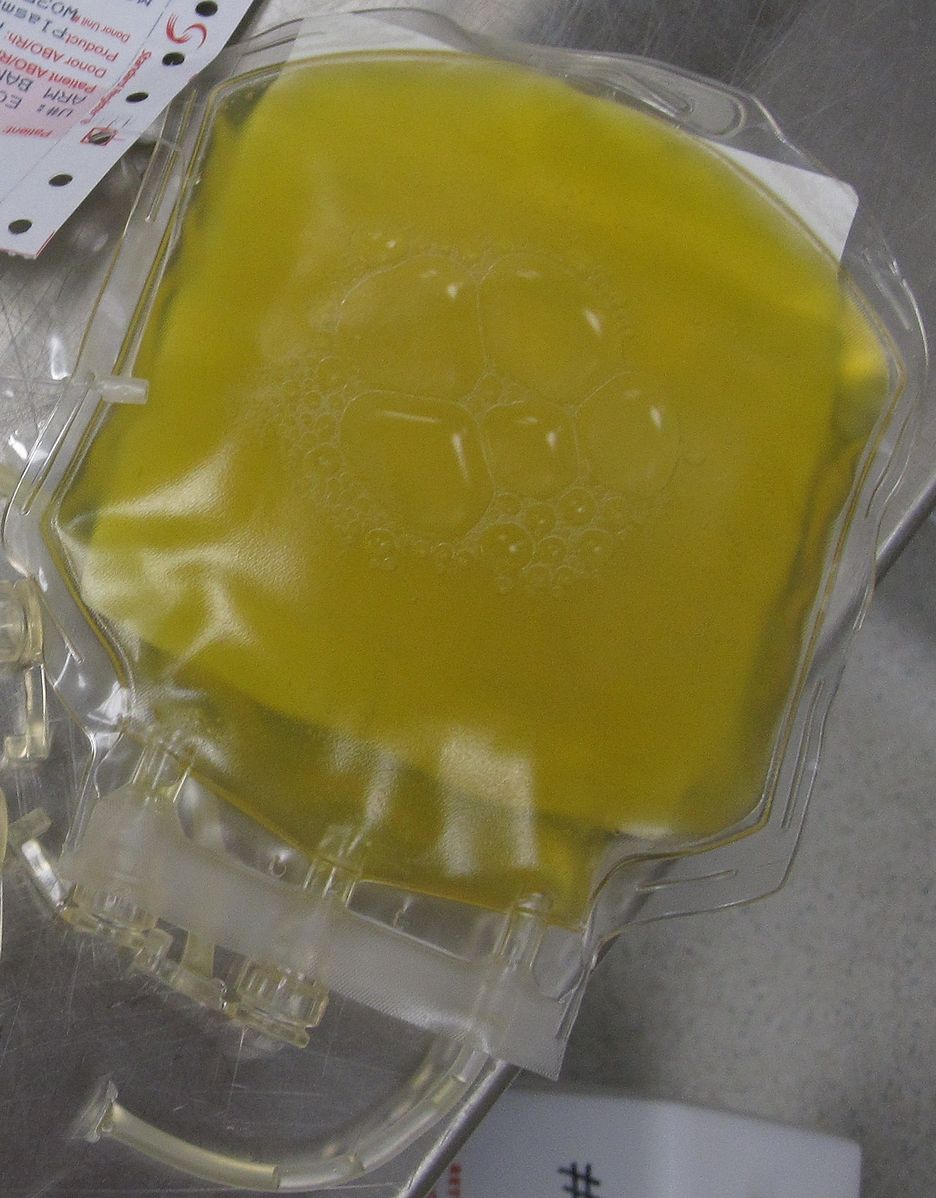
Plasma-first resuscitation to treat haemorrhagic shock during emergency ground transportation in an urban area: a randomised trial
Journal Club Summary Methodology: 3.5/5 Usefulness: 3.5/5 Moore HB, et al. Lancet. 2018 Jul 28;392(10144):283-291. Editorial: No gains with plasma-first resuscitation in urban settings? Question and Methods: Use of prehospital plasma in patients with...

Procedural Sedation in the ED – Part 1: Preprocedural Fasting
Procedural sedation is commonly performed in the Emergency Department. It is a critical tool that helps facilitate unpleasant but often necessary procedures that our patients would otherwise not tolerate. However, procedural sedation is also an extraordinarily...

Caring for Patients with Functional Neurological Disorders in the ED: Updates, Pearls, and Pitfalls
Conversion Disorder Functional Neurological Disorder is not a diagnosis of exclusion. It is a diagnosis based on positive clinical features. Definitions: Medically Unexplained Physical Symptoms (MUPS) Patient complaints and symptoms for which no medical etiology is...
Interstitial Lung Disease in the ED: “I think I’ve got the Black Lung Pop”
In this post, we cover the often seen, but poorly understood entity of Interstitial Lung Disease (ILD). We will focus our discussion on the key features and approaches that the front-line provider needs to know to feel confident managing the newly diagnosed ILD...

No Thanks, I’m Sweet Enough: Non-emergent Hyperglycemia in the ED
In the Emergency Department (ED) we’re always thinking about the “ABC’s”. You’ve also probably heard of “DEFG: Don’t Ever Forget Glucose”. This usually refers to hypoglycemia in our critically ill patients—those with decreased level of consciousness, new onset...