

We are excited to introduce the Sixth edition of The Ottawa Handbook of Emergency Medicine. Your bedside guide for approaches to various Emergency Medicine presentations.
Highlights of the Sixth edition include the addition of: Oncologic emergencies, approach to the pregnant patient, geriatrics and more!
Oh Me Nerves! A Neurology Medley
Here we seek to review relatively common neurology presentations and some controversies surrounding their management. See our other ED-Neurology Reviews here including migraine therapies and stroke evidence. To include Myasthenia Gravis, Guillian Barre Syndrome, and...
Ibuprofen versus fosfomycin for uncomplicated urinary tract infection in women: randomised controlled trial
Journal Club Summary Reference: Gágyor I, et al. BMJ. 2015 Dec 23;351:h6544 Methodology Score: 4/5 Usefulness Score: 2.5/5 This multicenter, double blinded, randomized controlled trial assessed the use of ibuprofen versus fosfomycin in uncomplicated UTIs in women aged...

Responsible Antibiotic Use in the Emergency Department
Part 1: Concerns with Antibiotic Overuse Three of the most common antibiotic-related unwanted effects seen the ED include: Their toxic effects Selection of pathogenic bacteria Increasing antibiotic resistance The Magnitude of Antibiotic-Related Toxic Effects A...

Video versus Direct Laryngoscopy: Calling for Truce in the Arms Race
Airway management in the Emergency Department (ED) is challenging. Given the critically ill and physiologically unstable patients, complicated by c-spine collars, distorted anatomy, and airway contamination – the stakes are high. Recent evidence draws...
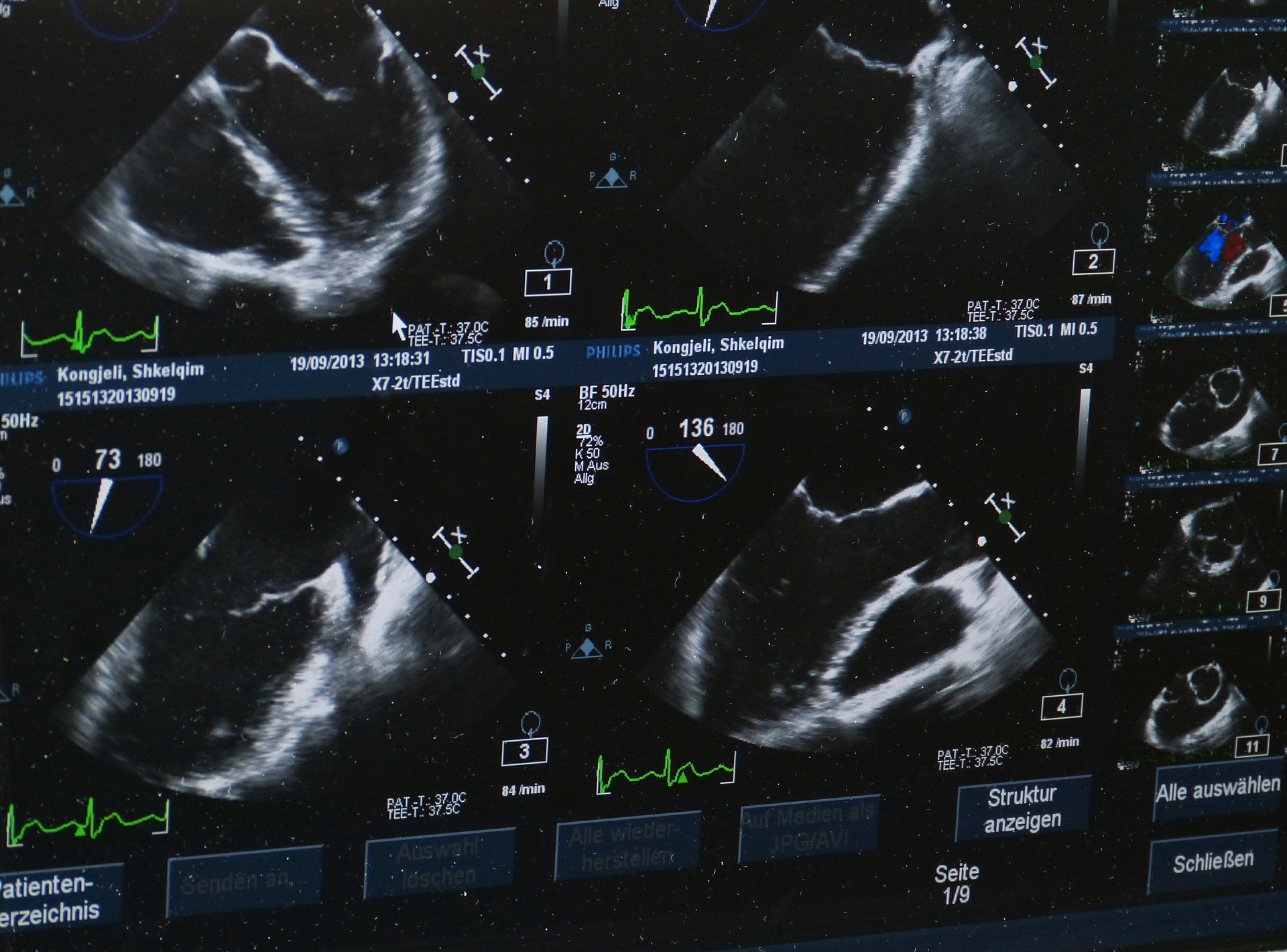
Look Deep Inside Yourself: Echo in Cardiac Arrest
We know that management of the patient in cardiac arrest can be difficult. As emergency providers, we often rely on an algorithmic approach because of limited information. Point of Care Ultrasound (POCUS) has offered an unprecedented ability to diagnose and monitor...
Association Between Early Participation in Physical Activity Following Acute Concussion and Persistent Postconcussive Symptoms in Children and Adolescents
Journal Club Summary Methodology Score: 3.5/5 Usefulness Score: 3/5 Grool AM, et al. JAMA. 2016 Dec 20;316(23):2504-2514. EDITORIAL: Physical Activity or Rest After Concussion in Youth: Questions About Timing and Potential Benefit. Chrisman SP JAMA. 2016 Dec...

Focus on POCUS: Ultrasound in undifferentiated shock
A female in her 70s from a nursing home with a past medical history of dementia, obesity, COPD, and CHF presents to the emergency department with a decreased level of consciousness and shortness of breath. Seven days ago she was assessed in the ER with a diagnosis of...

Opioid Clinical Update: Surviving Canada’s Crisis in the ED
Opioid and narcotic abuse has been a problem in Canada for some time, but nothing compares to the rapid sweep of opioid-related deaths and hospitalizations that have occurred over the past 2-3 years. While at one time, this problem was limited to a few pockets on the...

Canadian Syncope Risk Score – an infographic
Recently, Dr. Venkatesh Thiruganasambandamoorthy et al published the Canadian Syncope Risk Score, for the assessment of adult patients with syncope. He has previously helped provide some insight into the decision rule, and we now present an infographic and memory aid...
Time to Treatment and Mortality during Mandated Emergency Care for Sepsis
Journal Club Summary Seymour CW, et al. Journal N Engl J Med. 2017 Jun 8;376(23):2235-2244. EDITORIAL: State Sepsis Mandates - A New Era for Regulation of Hospital Quality. Hershey TB, et al. N Engl J Med. 2017 May 21. Methodology Score: 3.5/5 Usefulness Score: 3/5...