

We are excited to introduce the Sixth edition of The Ottawa Handbook of Emergency Medicine. Your bedside guide for approaches to various Emergency Medicine presentations.
Highlights of the Sixth edition include the addition of: Oncologic emergencies, approach to the pregnant patient, geriatrics and more!

Intravenous Haloperidol Versus Ondansetron for Cannabis Hyperemesis Syndrome (HaVOC): A Randomized, Controlled Trial
Methodology: 3.5/5 Usefulness: 3/5 Ruberto AJ, et al. Ann Emerg Med. 2020 Nov 5:S0196-0644(20)30666-1 Question and Methods: Randomized control trial in which cannabis users with active emesis received either haloperidol (0.05mg/kg or 0.1 mg/kg IV) or ondansetron 8mg...

Anti-Racism and Patient Care in the Emergency Department
Anti-racism is not easy topic to think about. In fact, it’s pretty uncomfortable. As you read this, it’s important to lean into that discomfort and reflect on why you’re feeling that way. Sometimes thinking about equity can leave us feeling unsure of how it applies to...

Gender Based Violence Towards Women of Colour
The Sexual Assault and Partner Abuse Care Program (SAPACP) that works out of the Civic Campus Emergency Department at the Ottawa Hospital represents an intersection between emergency medicine, forensics and the justice system. Our patients present to us in the...

Disparity in the Treatment of Sickle Cell Disease
It was during the quiet hours of a night shift that a colleague and I got to talking about the sickle cell patients we see frequently in the Emergency Department. We exchanged stories of the common struggle of getting IV access and how to follow the lead of the...

Advanced reperfusion strategies for patients with out-of-hospital cardiac arrest and refractory ventricular fibrillation (ARREST): a phase 2, single centre, open-label, randomised controlled trial
Methodology: 3.5/5 Usefulness: 3.5/5 Yannopoulos D, et al. Lancet. 2020 Dec 5;396(10265):1807-1816. Question and Methods: The ARREST trial was a phase 2, single centre, open-label, RCT comparing early ECMO facilitated resuscitation to ED-based standard ACLS care for...

EDI Corner and Black History Month
The Equity, Diversion and Inclusion committee in the Department of Emergency Medicine at the University of Ottawa recognizes that bias and discrimination are barriers to patients receiving appropriate and compassionate care. We seek to disseminate knowledge,...
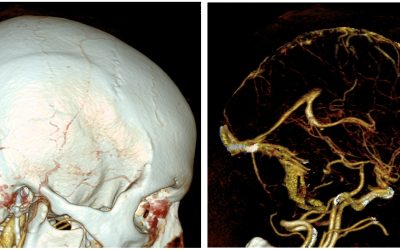
CNS Compartment Syndrome: Cerebral Venous Thrombosis
Cerebral venous thrombosis (CVT) is a thrombotic disease of the cerebral veins and major dural sinuses. It is a rare kind of venous thromboembolism and can also be thought of as a type of stroke. CVT accounts for 0.5-1% of stroke cases. The annual incidence is 0.2 –...

Effect of Nebulized Magnesium vs Placebo Added to Albuterol on Hospitalization Among Children With Refractory Acute Asthma Treated in the Emergency Department: A Randomized Clinical Trial
Methodology: 4.5/5 Usefulness: 4/5 Schuh S, et al. JAMA. 2020 Nov 24;324(20):2038-2047. Question and Methods: RCT assessing the effectiveness of nebulized magnesium versus placebo in children presenting with an acute asthma exacerbation refractory to standard therapy,...

Episode One Shownotes: GI Bleeds & TTM
Dr. Rajiv Thavanathan sits down with Dr. Jim Yang to talk about some of the best high impact trials in the last year in Emergency Medicine. Which patients with a GI bleed need urgent endoscopy, and which patients ACTUALLY need targeted temperature management (TTM)...
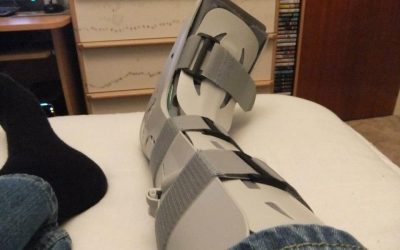
Plaster cast versus functional brace for non-surgical treatment of Achilles tendon rupture (UKSTAR): a multicentre randomised controlled trial and economic evaluation
Methodology: 3.5/5 Usefulness: 3.5/5 Costa ML et al. Lancet. 2020 Feb 8;395(10222):441-448. Question and Methods: The UKSTAR trial was a pragmatic, multicenter RCT that compared plaster cast against walking boot for non-operative management of Achilles tendon rupture...