

We are excited to introduce the Sixth edition of The Ottawa Handbook of Emergency Medicine. Your bedside guide for approaches to various Emergency Medicine presentations.
Highlights of the Sixth edition include the addition of: Oncologic emergencies, approach to the pregnant patient, geriatrics and more!
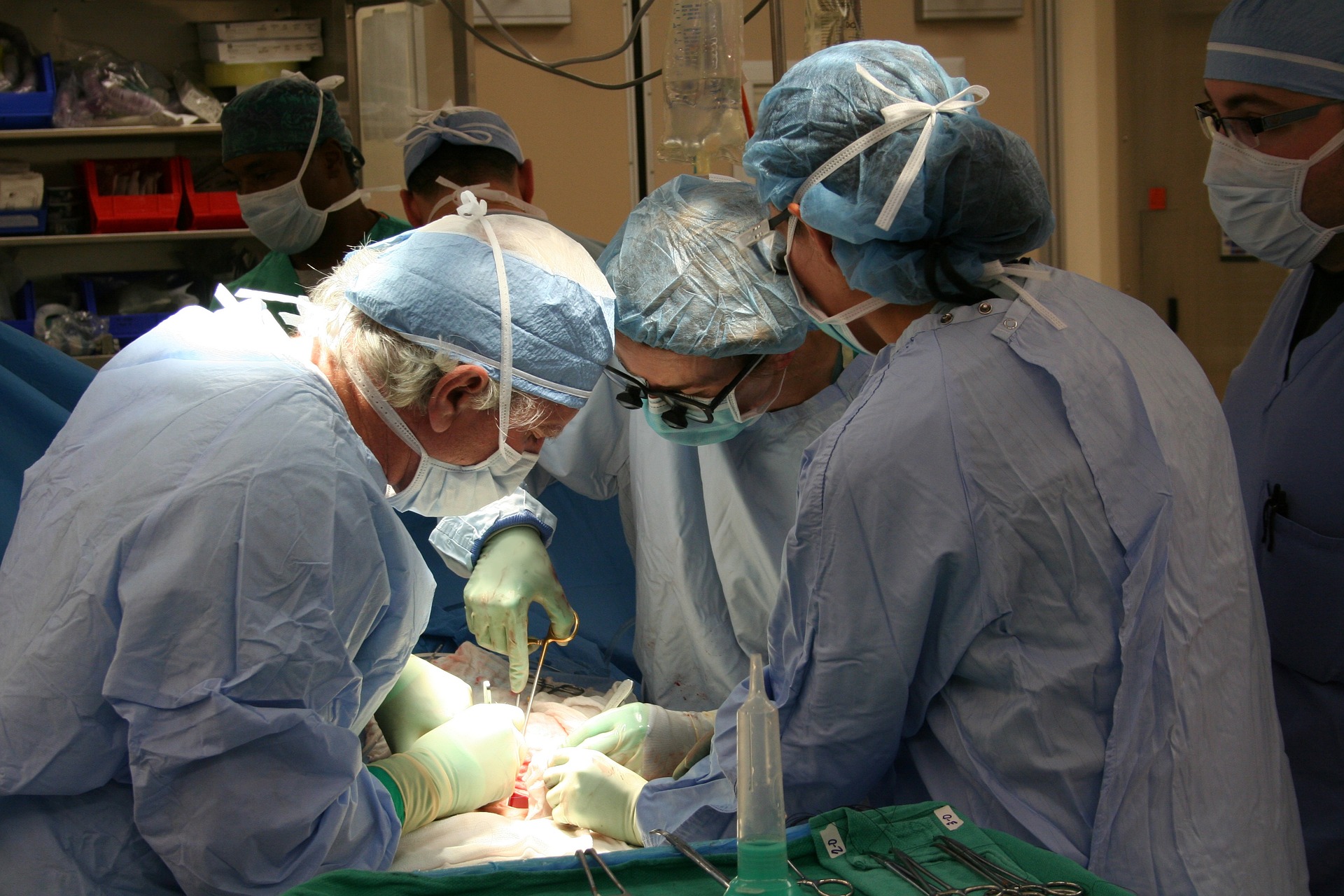
Transplant Medicine in the ED
Patients who receive solid organ or stem cell transplants are complex, but we see them frequently in the Emergency Department! This review summarizes the physiology of transplant and a few of the key issues to be aware of in these patients. Transplant by the numbers...
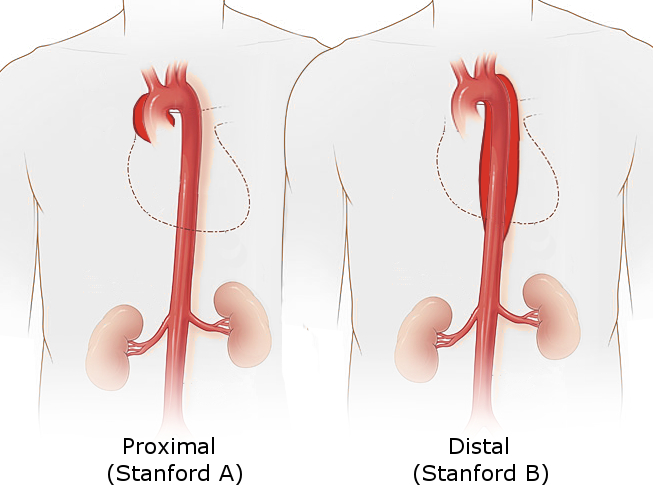
Diagnostic Accuracy of the Aortic Dissection Detection Risk Score Plus D-Dimer for Acute Aortic Syndromes: The ADvISED Prospective Multicenter Study
Methodology Score: 3/5 Usefulness Score: 3/5 Nazerian P, et al. Circulation. 2018 Jan 16;137(3):250-258. Editorial - Biomarker-Assisted Diagnosis of Acute Aortic Dissection. Question: The ADvISED trial was an International Multicenter prospective observational study...

Navigating a Digital Sea: Considerations for the Emergency Medicine Physician in an Era of Electronic Health Information
There is no denying that the evolution of technology will continue to alter our practice of Emergency Medicine; a prime example of this has come with the transition to electronic health information within our clinical environments. In seeking to better understand the...
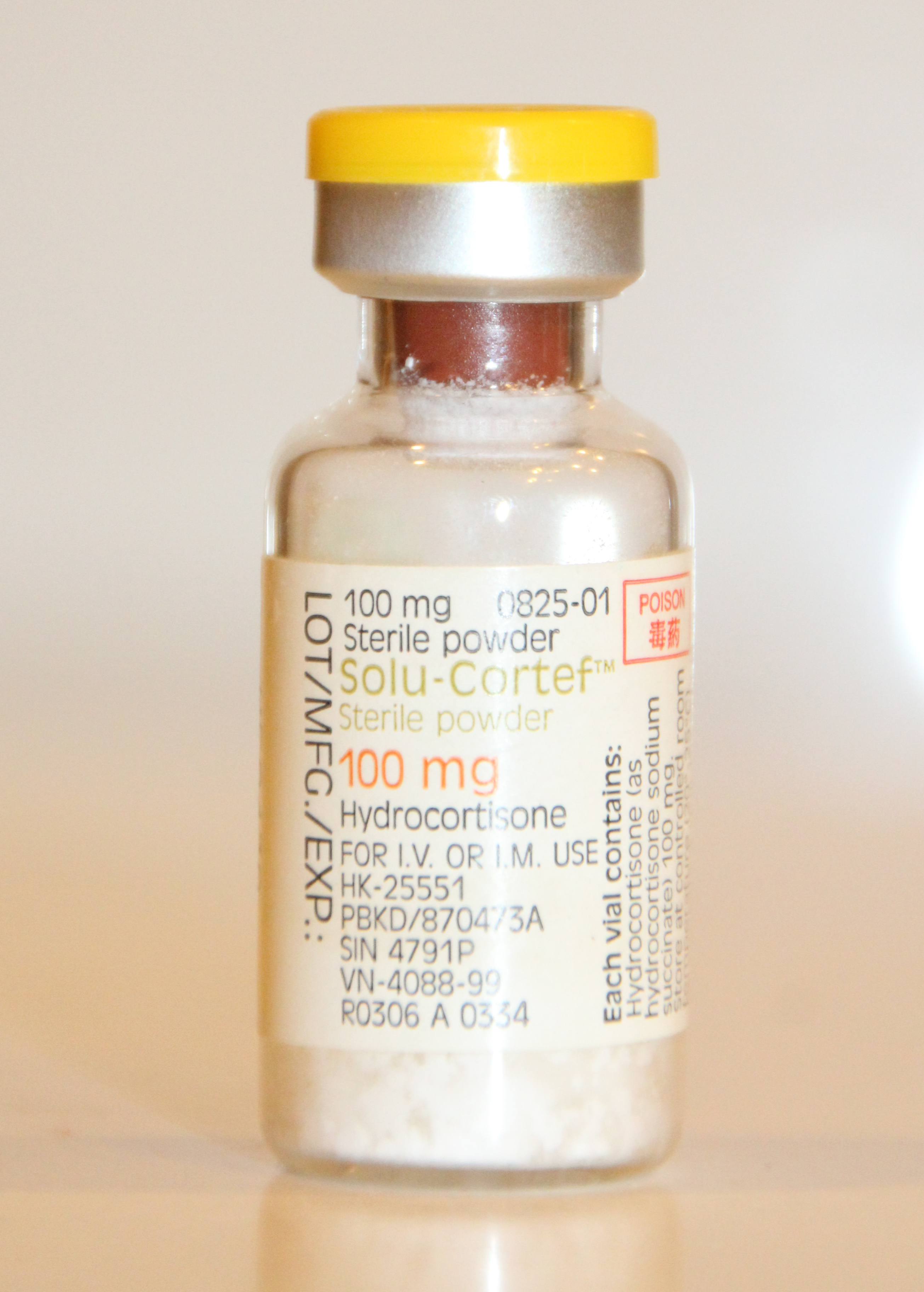
Adjunctive Glucocorticoid Therapy in Patients with Septic Shock
Methodology Score: 4/5 Usefulness Score: 3/5 Venkatesh B, et al. N Engl J Med. 2018 Jan 19. Journal Club Bottom Line Question/Methods: This was a international, pragmatic, double-blind, randomized, controlled trial comparing hydrocortisone as continuous infusion to...
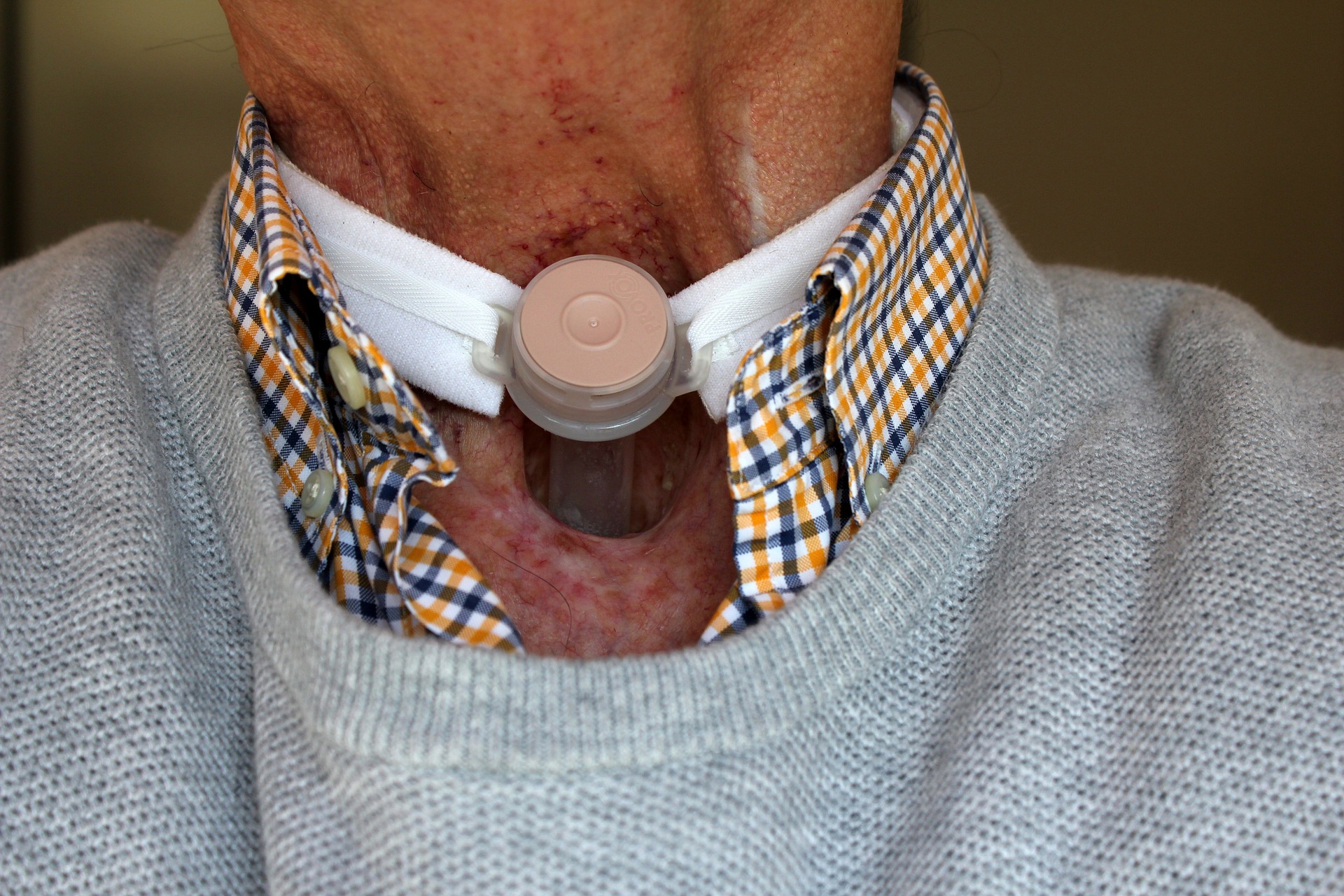
Tricks of the Trach: Approach to Tracheostomy Patients in the Emergency Department
In this post, we will review the anatomy, essential history, and common presentations of tracheostomy patients in the ED, including obstruction, decannulation, bleeding, tracheal stenosis, and infection. Anatomy of a tracheostomy tube Outer cannula Sits directly in...
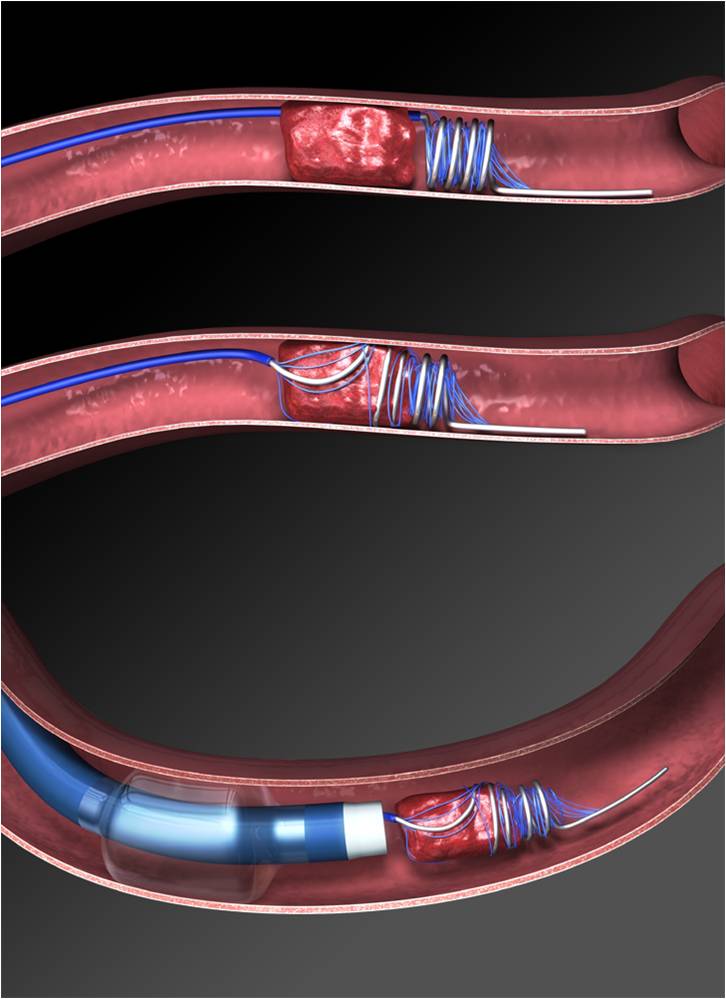
DEFUSE-3: Thrombectomy for Stroke at 6 to 16 Hours with Selection by Perfusion Imaging
Methodology: 3.5/5 Usefulness: 4/5 Albers GW, et al. N Engl J Med. 2018 Jan 24. Journal Club Bottom Line Question/Methods: This was a multicentre, prospective, randomized, open label, blinded outcome trial comparing thrombectomy + medical therapy vs medical therapy...

Sweating the Small Stuff: An Evidence-Based Urgent Care Potpourri
https://www.youtube.com/watch?v=wlF-IsZtGjo Urgent care presents a specific set of challenging clinical questions for the emergency physician. Often, seemingly mundane presentations will leave us questioning whether or not we have managed a case appropriately. Our...

Sickle Cell in the ED: An Update
Sickle Cell Disease (SCD) is a complex medical entity, associated with significant morbidity and mortality. Patients with SCD suffer from acute and chronic pain, along with a seemingly endless list of additional complications (from hemolysis and sequestration, to...

Back to Basics: Revisiting Common EM Controversies
In this post, we will explore the current literature regarding common EM controversies, covering the nature and prevalence of penicillin allergies, the management of skin and soft tissue infections, and the role of NSAIDs for acute pain. Penicillin allergies in the ED...
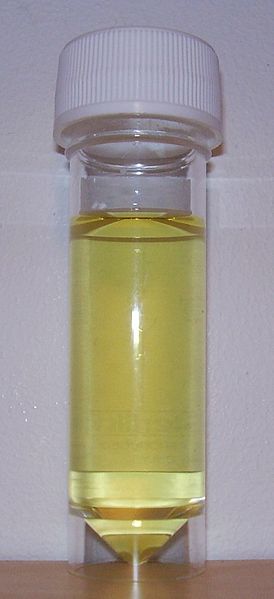
Impact of two-step urine culture ordering in the emergency department: a time series analysis
Journal Club Summary Methodology Score: 4/5 Usefulness Score: 4/5 Stagg A, et al. BMJ Qual Saf. 2018 Feb;27(2):140-147. Question and Methods: This QI time-series analysis assessed the efficacy, safety and costs of a 2-step urine culture (UC)...