

We are excited to introduce the Sixth edition of The Ottawa Handbook of Emergency Medicine. Your bedside guide for approaches to various Emergency Medicine presentations.
Highlights of the Sixth edition include the addition of: Oncologic emergencies, approach to the pregnant patient, geriatrics and more!

Beyond the guidelines: an approach to cardiac arrest in the Emergency Department
According to the AHA guidelines, in 2016 the annual incidence of out-of-hospital cardiac arrest (OHCA) in the US was roughly 360,000 and was 209,000 for in-hospital cardiac arrest. In Canada, we see 40,000 OHCA per year (Mozaffarian 2016). Data from the ROC Epistry...
Angiotensin II for the Treatment of Vasodilatory Shock
Journal Club Summary Khanna A, et al. N Engl J Med. 2017 Aug 3;377(5):419-430. Abstract Link EDITORIAL: Angiotensin II for the Treatment of Vasodilatory Shock - Promise and Caution. Dellinger RP, et al. N Engl J Med. 2017 Aug 3;377(5):486-487. Methodology Score:...

Resuscitation of the Bariatric Trauma Patient
The demographics in Canada are changing, with individuals becoming increasingly more obese. In 2014 over 40% of Canadians self-identified as being overweight or obese and this number is rising. Dr. Brittany Ellis brings us through a review of the differences in...

Focus on POCUS: Heartbreaker. Cardiac Echo in the ED.
For other ultrasound focused cases please see our Ultrasound Archives. A woman in her 60's presents to the emergency department on her 7th post-operative day feeling nauseous, vomiting, weak and dizzy. She has just recently underwent a open left hemi-colectomy,...
Risk of Intracranial Hemorrhage in Ground-level Fall With Antiplatelet or Anticoagulant Agents
Journal Club Summary Ganetsky M, Lopez G, Coreanu T, Novack V, Horng S, Shapiro NI, Bauer KA. Acad Emerg Med. 2017 May 5. Methodology Score: 2/5 Usefulness Score: 2/5 Questions and Methods: This cohort study examined the rate of traumatic ICH on...

The New and Old of Cancer Emergencies
The management of cancer is drastically changing, with many novel medications and therapies emerging. As our approach to malignancy changes, there are a host of new complications that we need to be aware of in the Emergency Department (ED). Traditionally, cancer...
Targeted Temperature Management for 48 vs 24 Hours and Neurologic Outcome After Out-of-Hospital Cardiac Arrest: A Randomized Clinical Trial
Journal Club Summary Reference: Kirkegaard H, et al. JAMA. 2017 Jul 25;318(4):341-350 EDITORIAL: Targeted Temperature Management After Cardiac Arrest: Finding the Right Dose for Critical Care Interventions. Callaway CW. JAMA. 2017 Jul 25;318(4):334-336. Methodology...
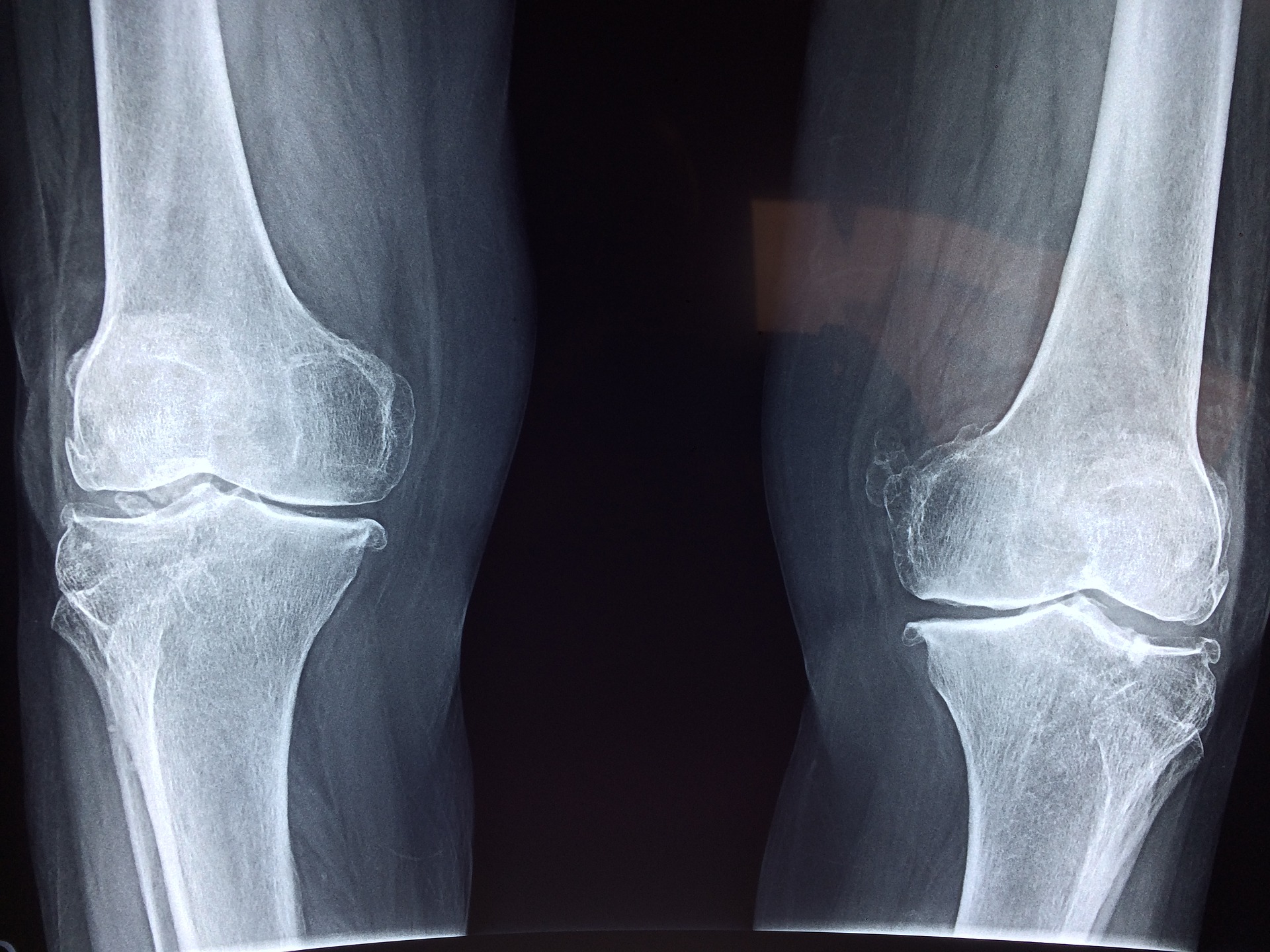
Below the Belt Ortho: Lower Extremity Injuries Missed in the ED
With the protocols and time constraints of our ED environment, it is fairly easy to fall into the trap of imaging prior to examining our orthopedic patients. This may result in missed injuries, as we tend to base our diagnosis on the X-ray, rather than the patient...
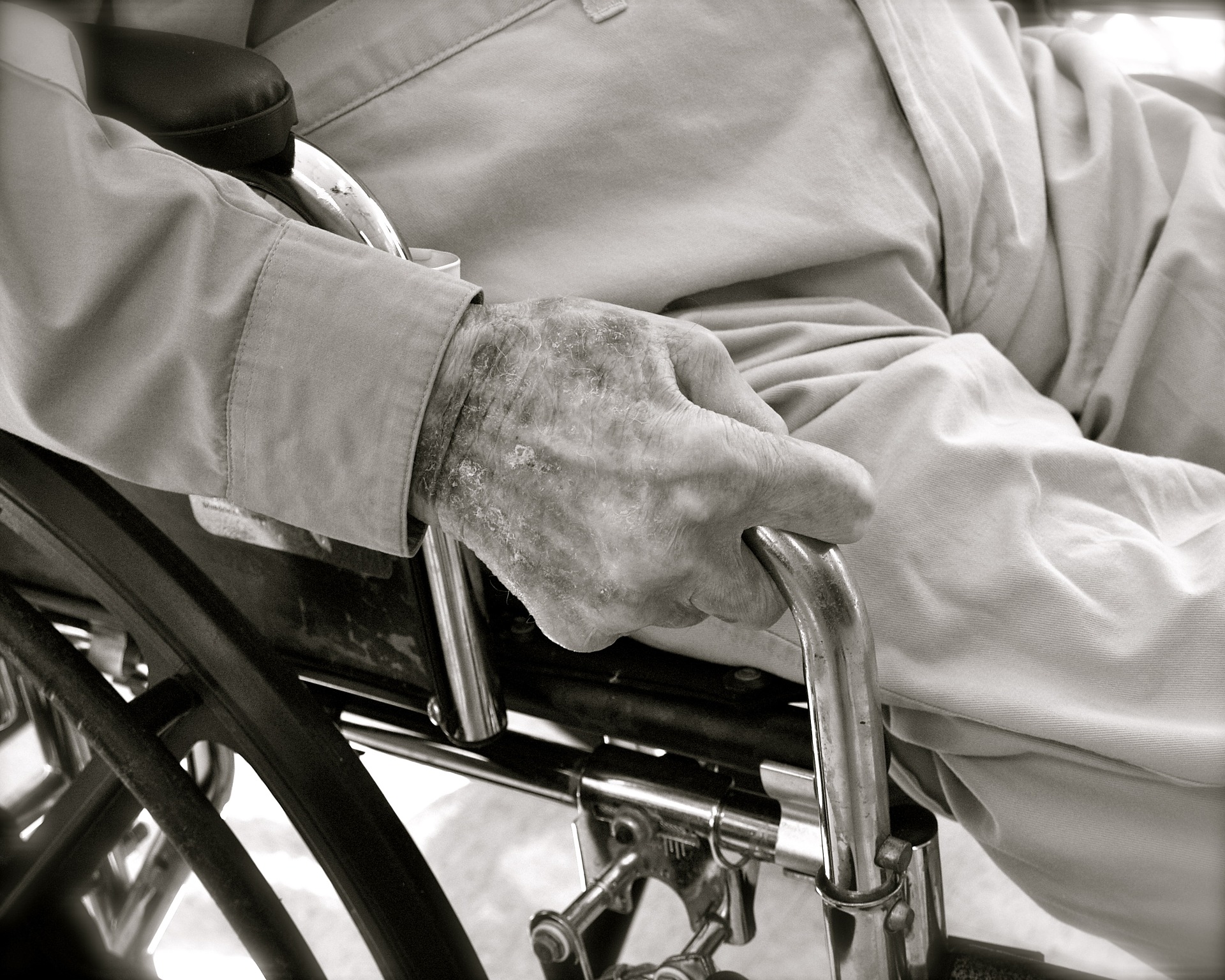
Frailty, Falls, and Pain Management in the Older Emergency Department Patient
The Canadian population is rapidly aging, and within the next 15 years, 1 in every 4 people will be 65 years or older 1. Elderly patients already make up 25% of Canadian Emergency Department (ED) visits, and this number is expected to increase 2. What should concern...
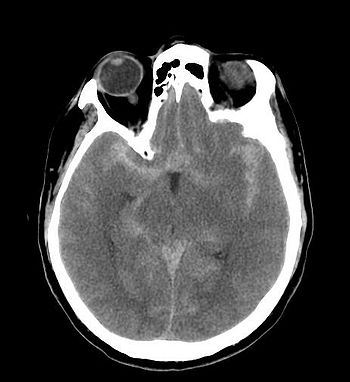
Validation of the Ottawa SAH Rule
Dr. Perry and Colleagues have previously derived and validated the Ottawa SAH rule for patients with suspected subarachnoid hemorrhage, here we present the multicenter prospective validation of the rule1, with some insight on the rule from Dr. Perry himself! Note that...